
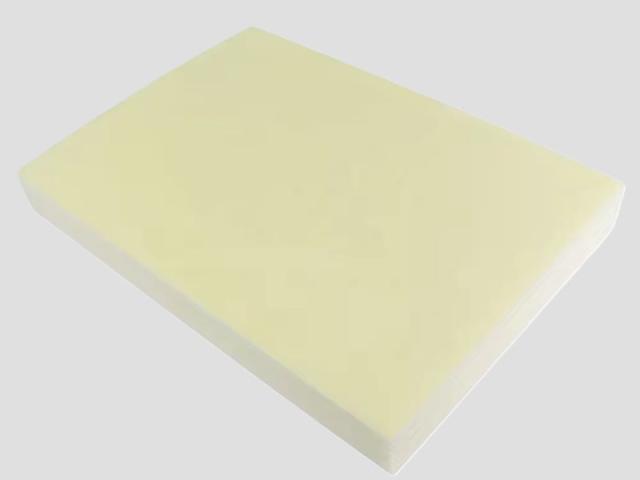
XPE foam — cross-linked polyethylene foam — is produced by extruding polyethylene resin with a foaming agent and then cross-linking the molecular structure before the gas expands into a uniform closed-cell matrix. There are two cross-linking routes (chemical and electron-beam), and understanding the difference helps you judge foam quality, cost and consistency.
Raw Materials for XPE Foam
- Polyethylene resin — LDPE/LLDPE (low-density and linear low-density PE).
- Foaming agent — a chemical blowing agent that releases gas when heated.
- Cross-linking initiator — peroxide (chemical route) or electron-beam energy (radiation route).
- Additives — colour masterbatch, flame retardant, anti-static agents and UV stabilisers as required.
Chemical Cross-Linking vs Radiation Cross-Linking
Both routes produce the same closed-cell XPE family, but they differ in equipment and control:
- Chemical cross-linking — peroxide is mixed into the resin; cross-linking and foaming happen together in a heated furnace. Lower investment, ideal for mid-to-high density foams and long production runs.
- Electron-beam (radiation) cross-linking — the sheet is irradiated before foaming, giving very precise cross-link density control and a fine, uniform cell structure. Commonly used for IXPE (irradiated XPE) and thin, high-consistency products.
The XPE Foam Production Process
- Mixing — PE resin, foaming agent, peroxide and additives are blended in precise ratios.
- Extrusion — the compound is melted and extruded into a flat sheet at controlled temperature.
- Cross-linking — peroxide decomposes (or the sheet is electron-beam irradiated), joining polymer chains into a network.
- Foaming — the sheet passes through a foaming furnace; the blowing agent releases gas and the cross-linked matrix expands into closed cells.
- Cooling & annealing — the foam is cooled evenly so cells stabilise and dimensions stay uniform.
- Slitting & finishing — rolls are cut to width, thickness, or die-cut into parts.
Why XPE Foam Is Closed-Cell
Because the polymer is cross-linked before foaming, each bubble stays sealed — the result is a closed-cell foam that resists water and moisture, offers thermal insulation, and keeps its shape under repeated compression. This is what makes XPE different from open-cell foams used for filtration or acoustic absorption.
Quality Control in XPE Production
Consistent density, thickness, cell uniformity and surface finish are the practical measures of a good XPE line. A reliable manufacturer controls furnace temperature, line speed and resin ratio, and verifies density and thickness on every batch. See our XPE foam product page for typical grades and specifications.
Request XPE foam samples or a quote →
Related Reading
See also: XPE vs IXPE vs IXPP · All foam materials · Closed-cell vs open-cell foam