
Start with your material choice, part drawing or application question. Browse practical guides on XPE, IXPE and IXPP foam, then check the specification for the grade and construction you need.
Browse guides by topic
Choose and compare materials
Cross-linking, cell structure and material alternatives.
Read specifications
Density, thickness and how to read a data sheet.
Plan a custom part
Lamination, insert geometry and first-article requirements.
Solve an application question
ESD packaging, adhesive carriers and insulation.
All technical articles

How to Read a Foam Performance Data SheetTwo suppliers quote the same material and the two data sheets do not agree. One gives a thermal conductivity of 0.040 W/(m·K), the other 0.065. One says compression set is 8% or…
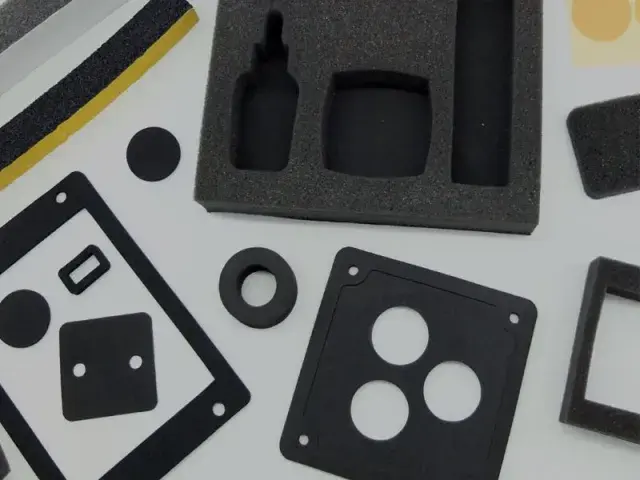
Custom Foam Die-Cutting and CNC Routing: How to Specify a PartMost foam parts are not rectangles. They are inserts with cavities, gaskets with holes, spacers with a profile — shapes that have to be cut, and the way they are cut decides both…
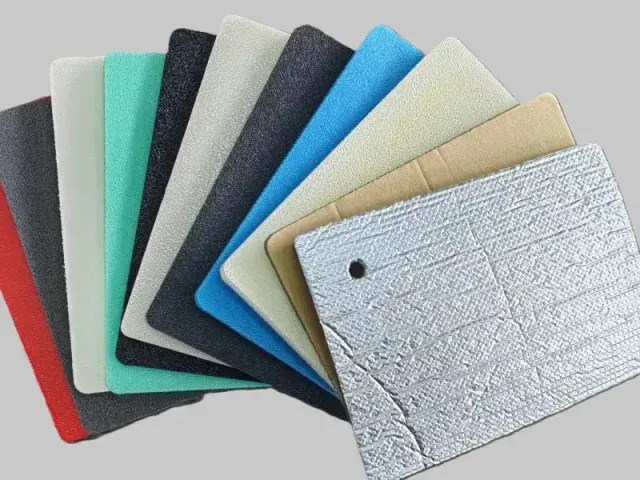
IXPE vs PE Foam: What Cross-Linking Actually ChangesIXPE and PE foam are both polyethylene, and they are often quoted against each other on price alone. The difference is the cross-link: PE foam is expanded polyethylene, IXPE is…
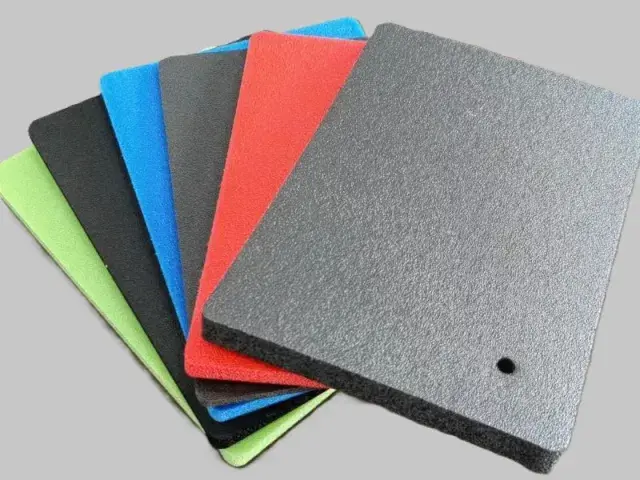
XPE Foam Disadvantages: Limits and When Not to Use ItXPE foam is a good default for closed-cell cushioning, insulation and sealing. This page is about the other half of the picture: the properties that make XPE the wrong choice for…
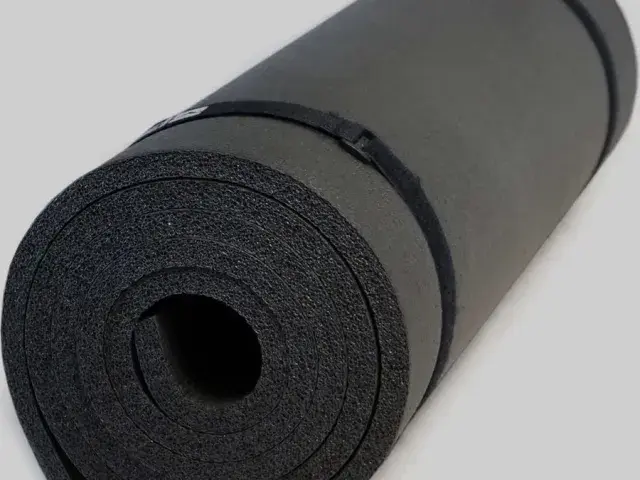
XPE and IXPE Foam for Yoga Mats and Gym MatsIf you make mats rather than buy them, the foam is the product. Cushioning, weight, roll-up behaviour, grip and how long the mat lasts before it flattens are all decided by the…
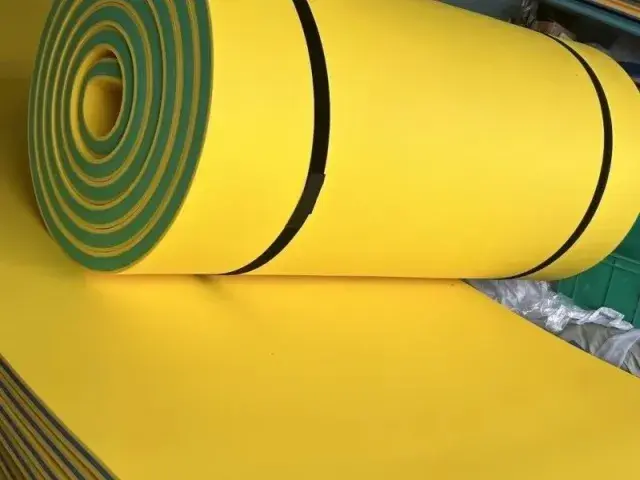
Buoyancy Foam: Density, Lift and How to Specify ItFlotation foam works on a simple principle: a closed-cell foam is mostly gas trapped in sealed pockets, so it displaces more water than it weighs and floats. The engineering…
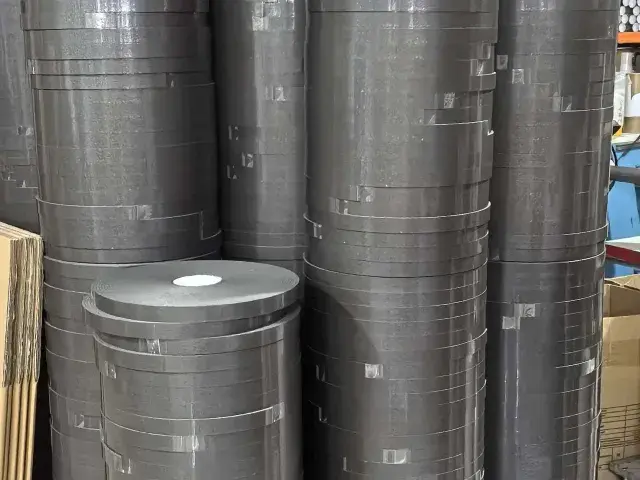
Foam Tape Guide: Carriers, Adhesives and How to SpecifyFoam tape is two products in one: a foam carrier that compresses and recovers, and an adhesive that holds it in place. Most field failures come from specifying the adhesive…
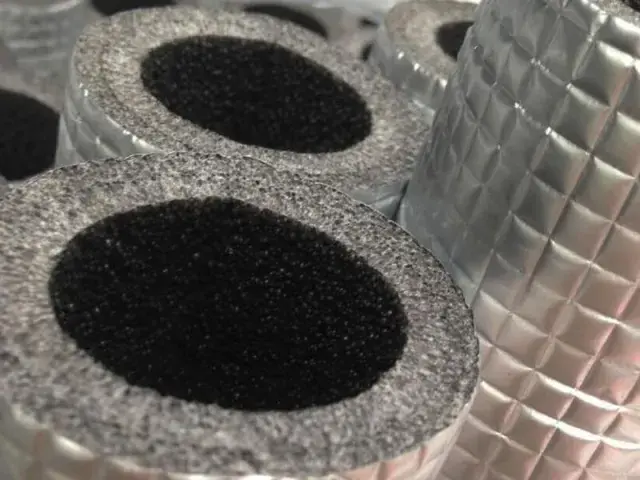
Pipe Insulation Foam: Material, Thickness and Foil FacingPipe insulation foam is chosen for two jobs at once: stopping heat gain or loss, and stopping condensation. The second job is the one that causes most field failures, because…
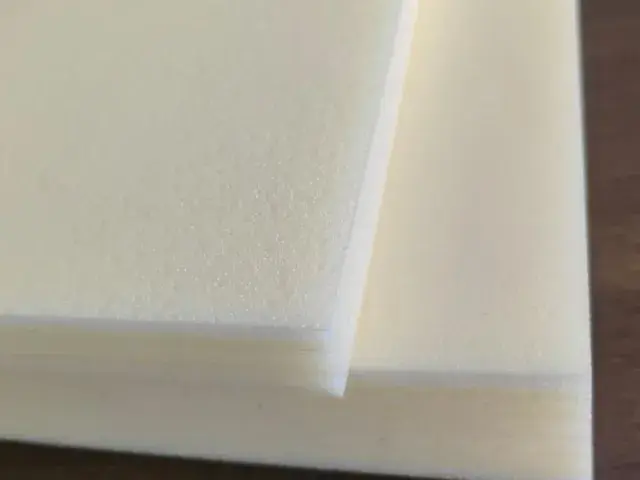
Is XPE Foam Waterproof? Water Absorption ExplainedXPE foam has low water absorption, not zero absorption. Published limits depend on ratio and the GB/T 1034 method 4 conditions. Material uptake and the waterproof or vapour…
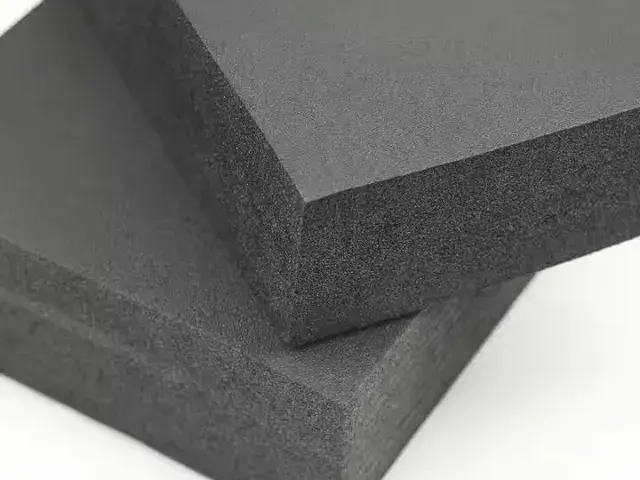
XPE vs EPE vs EVA Foam: Key Differences and How to ChooseShort answer: XPE is chemically cross-linked polyethylene foam, EPE is expanded — that is, non-cross-linked — polyethylene foam, and EVA is a copolymer of ethylene and vinyl…
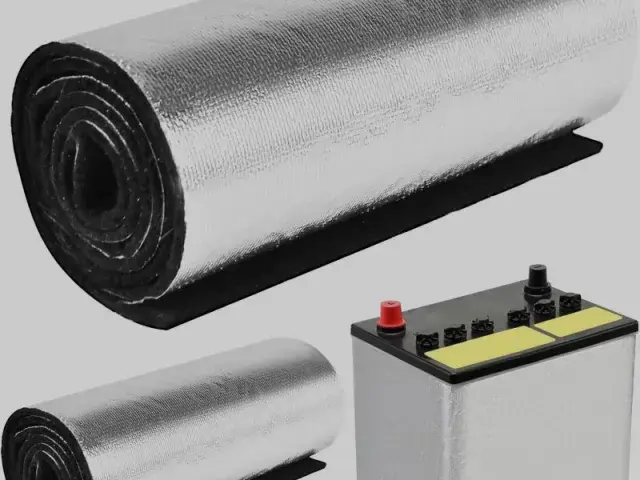
EV Battery Insulation Foam: How to Choose Thermal Materials for Battery PacksBattery foam selection begins with the assigned spacer, cushioning or insulation function and its mechanical, electrical and thermal requirements. A short sheet test does not…
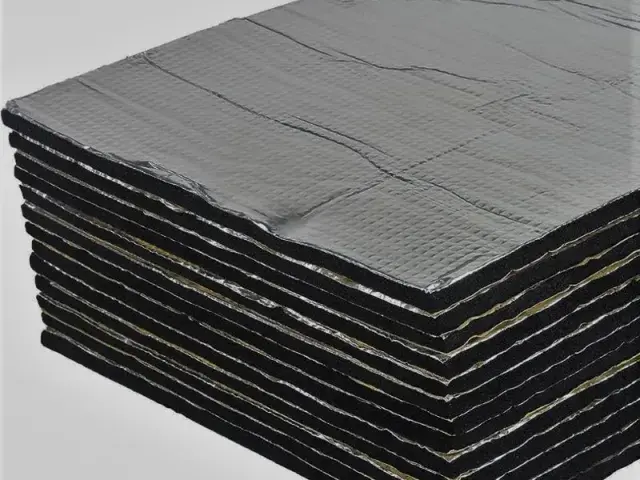
Automotive Sound Deadening Foam: A Buyer's Guide to Materials, Density and ThicknessSpecify automotive foam from the installed gap, contact surfaces and required acoustic function. Separate anti-rattle or decoupling work from airborne absorption and transmission…