
Start with your material choice, part drawing or application question. Browse practical guides on XPE, IXPE and IXPP foam, then check the specification for the grade and construction you need.
Browse guides by topic
Choose and compare materials
Cross-linking, cell structure and material alternatives.
Read specifications
Density, thickness and how to read a data sheet.
Plan a custom part
Lamination, insert geometry and first-article requirements.
Solve an application question
ESD packaging, adhesive carriers and insulation.
All technical articles
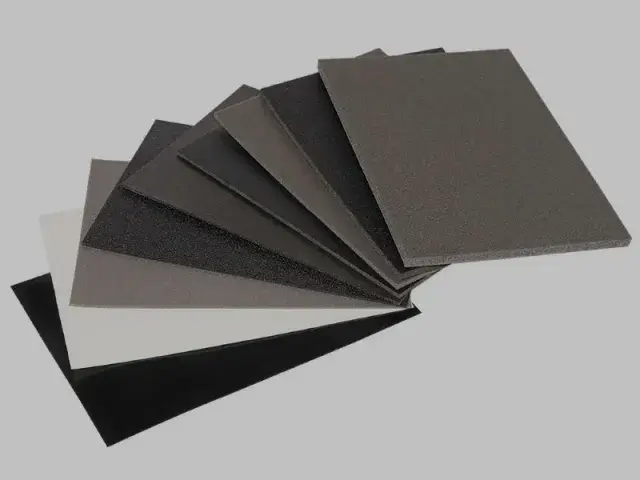
IXPE Foam for Electronics: Surface, Dielectric and Lamination PropertiesElectronics designers rarely pick a foam on density alone. What matters inside a phone, a battery pack or a control box is how the material behaves at the interfaces: how it takes…
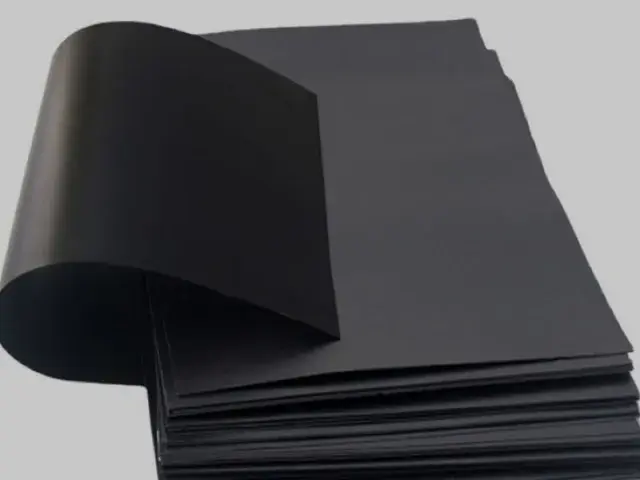
Ultra-Thin IXPE Foam for Electronics, Keyboards and Precision ApplicationsUltra-thin IXPE foam is irradiated cross-linked polyethylene foam rolled down to 0.1 mm and up, while keeping the closed-cell structure that makes IXPE water-resistant, thermally…
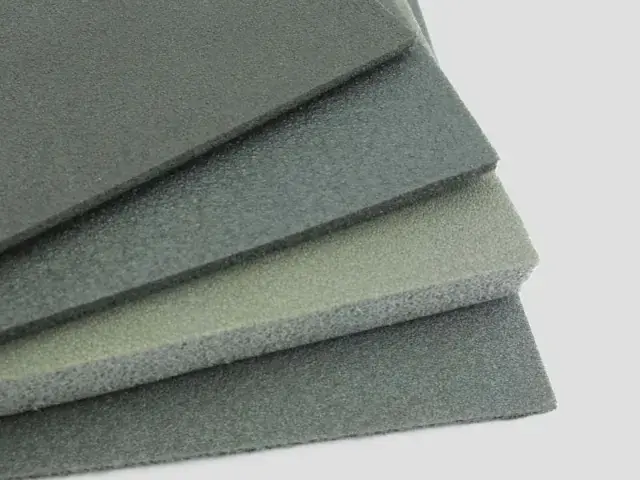
XPE Foam Density Guide: Common Grades & How to Choose (27-300 kg/m³)Density is the first number written on an XPE foam quotation, and the one most often written as a sentence that says nothing. “XPE foam, density 50” fixes the weight, and nothing…
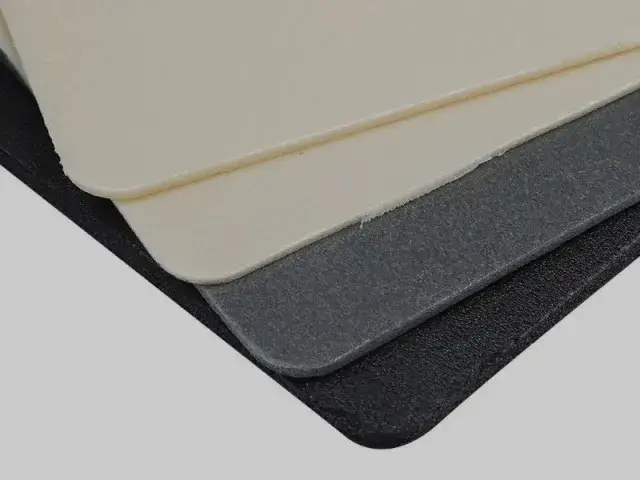
Medical Grade Foam: What to Look For in Foam for Medical Use“Medical grade” is not a material property, and it is not a certification a foam supplier can issue. It is a buyer’s designation for a level of control, and what it means in…
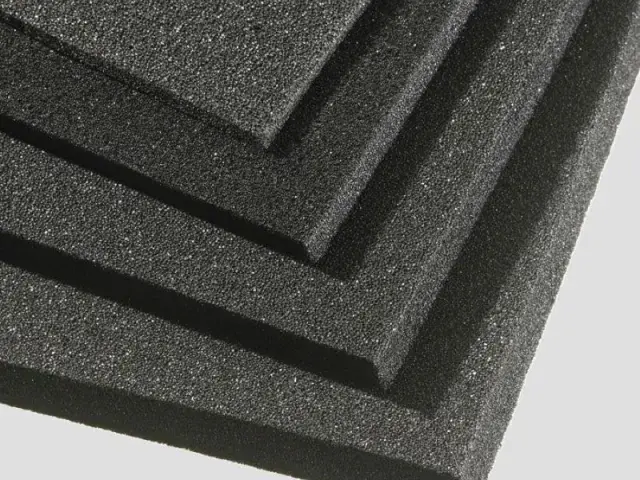
Conductive Foam & ESD Guide: Surface Resistance, Types and SelectionTwo reports for a nominally similar anti-static foam can contain different resistance readings. Neither number can be accepted from the product name alone. Compare the required…
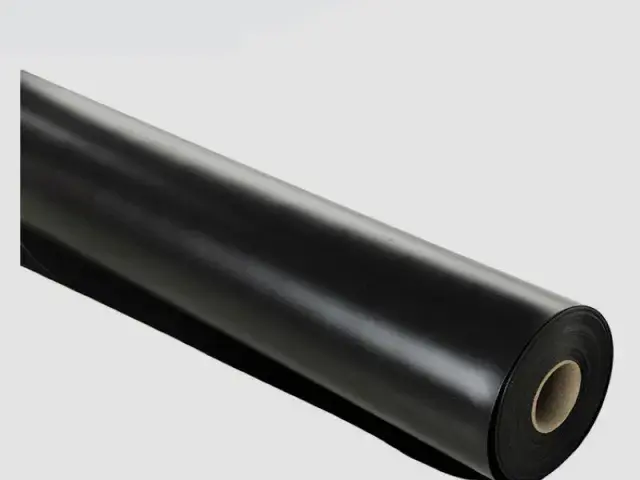
XPE Foam Underlayment for Laminate Flooring: Thickness & Density GuideFloor underlayment is often treated as a film that may or may not be worth having: it goes under the floor, nobody sees it, and it is a small share of the price. But it is doing…
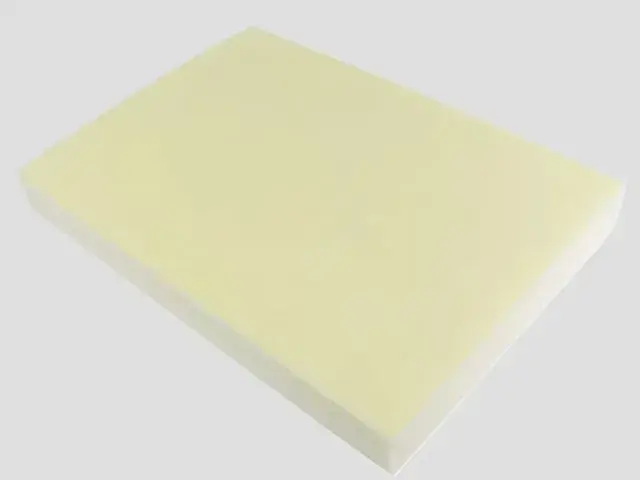
How Is XPE Foam Made? Chemical vs Radiation Cross-LinkingXPE foam is made in two stages that are easy to confuse and impossible to swap: first the polyethylene is cross-linked into a three-dimensional network, then it is foamed. Cross…
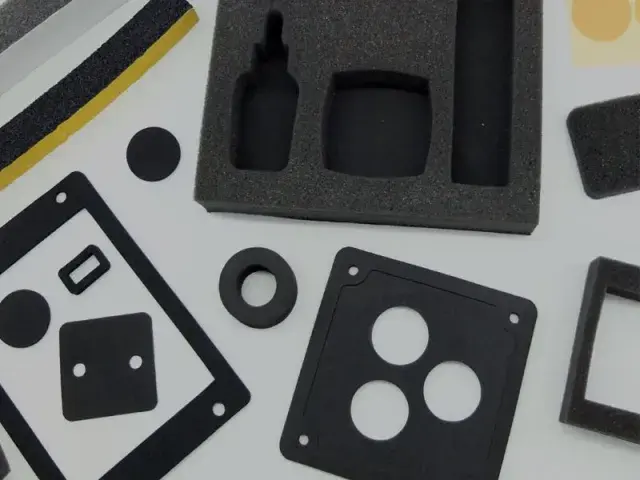
Custom Foam Inserts: A Guide to Packaging Design and ProtectionMatching an insert’s total thickness to the box’s internal height is not the end of the design. What decides whether the product survives a drop is something else: whether there…
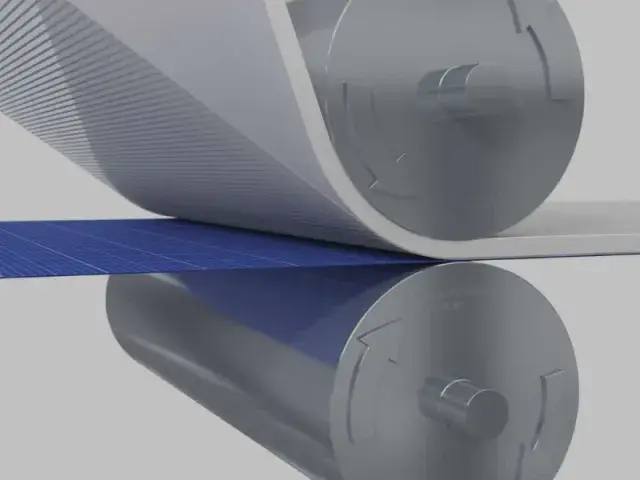
Foam Lamination: Aluminium Foil, Non-Woven, Leather and FlanneletteLaminated foam is usually described as two materials pressed together. It is actually three layers: the core, the facing, and the bond layer that holds them. Customers choose the…
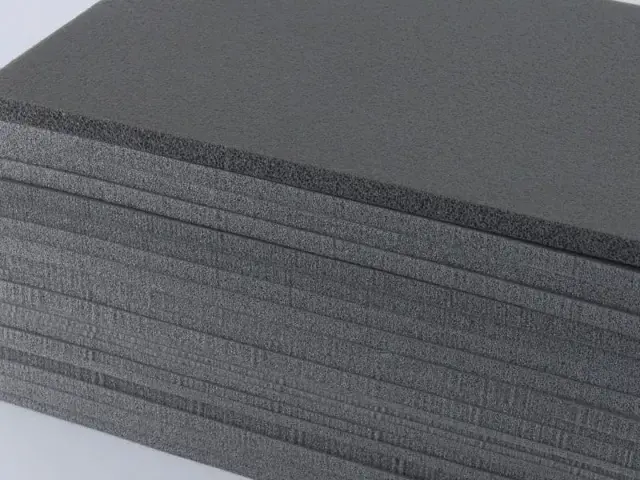
How to Choose Foam Density and Thickness for Your ApplicationDensity and thickness are not two options to be picked separately. Their product sets how much material each square metre uses, but the feel, the recovery and the insulation each…
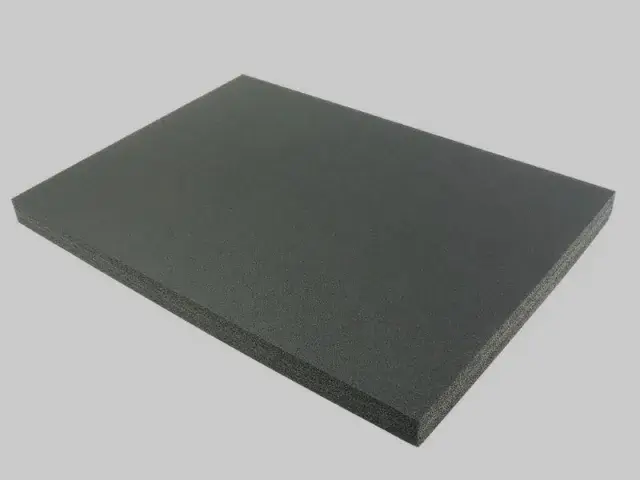
Closed Cell vs Open Cell Foam: Key Differences and How to ChooseClosed-cell foam has sealed cells with intact walls, so neither water nor air can pass from one cell to the next; open-cell foam has connected cells, so both can travel freely…
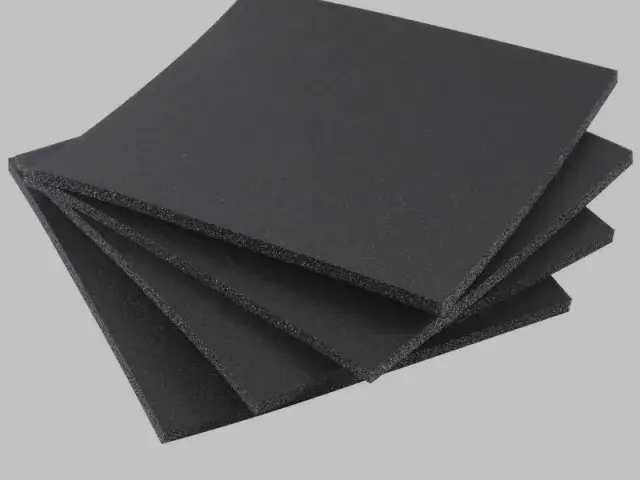
XPE vs IXPE vs IXPP Foam: Which Cross-Linked Foam Should You Choose?XPE, IXPE and IXPP are all cross-linked closed-cell polyolefin foam, and at a glance the three look interchangeable. They are not, and the difference is not a quality ranking: it…