
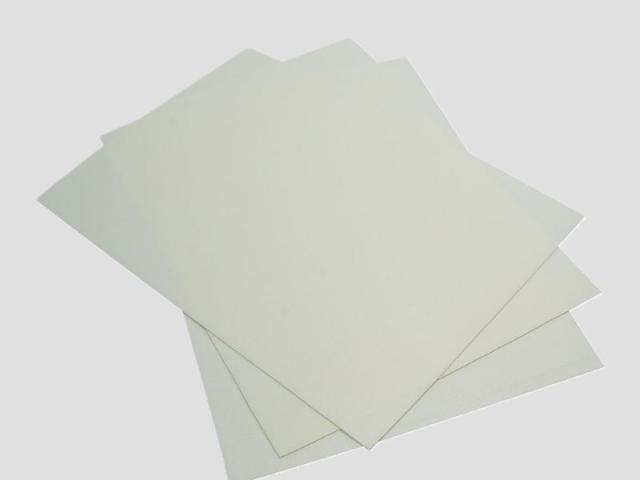
Short answer: yes, XPE (cross-linked polyethylene) foam is food safe when it is made from virgin, food-grade polyethylene resin — and that is the grade Bofeng Foam recommends for food packaging applications. This guide explains why, where food-grade XPE is used, and what to check before trusting a foam for food contact.
Is XPE Foam Food Safe?
XPE foam is chemically cross-linked polyethylene — the same family of plastic used in food-grade containers, films and bottles. In its virgin food-grade form it contains no plasticizers, no BPA and no phthalates, is odourless and inert, and does not leach into dry or chilled foods under normal storage conditions. That is why food-grade XPE is widely used for fruit trays, meat trays, thermal shipping liners and dry-food packaging.
What XPE foam is made of
XPE starts from polyethylene resin, which is extruded with a foaming agent and then cross-linked to give the closed-cell, resilient structure. The key to food safety is the resin grade: virgin food-contact polyethylene meets standards such as FDA 21 CFR 177.1520 and EU Regulation 10/2011. Recycled or blended resin must never be used for food contact.
Food-grade vs general-purpose XPE
- Food-grade XPE — virgin resin, food-contact compliant, used for fruit/meat trays and dry food packaging.
- General-purpose XPE — may contain recycled content, pigments or additives; fine for cushioning and insulation, but not for direct food contact.
Common Food-Contact Uses of XPE Foam
- Fruit, vegetable and meat trays — cushioned, moisture-resistant.
- Thermal shipping liners — keeps chilled or frozen food at temperature.
- Dry food packaging inserts — biscuits, confectionery and tea.
- Lunch box and container liners.
See our fruit & food foam trays and packaging foam pages for examples.
When XPE Foam Should NOT Touch Food
- Do not use general-purpose or recycled-grade foam for food contact.
- Do not expose XPE to ovens, microwaves or grilling — it is not a cooking material.
- Avoid prolonged contact with hot, acidic or solvent-based foods without a food-contact liner.
- If in doubt, use a food-grade liner or request the supplier's food-contact test report.
How to Choose a Food-Safe Foam Supplier
Ask for written confirmation that the foam is produced from virgin food-grade polyethylene, and request material test reports (heavy metals, migration and odour). A direct manufacturer such as Bofeng Foam can state the resin grade and production conditions used for each order.
Ask us about food-grade XPE foam →
Related Reading
See also: How to choose foam density & thickness · All foam materials · Custom foam inserts service