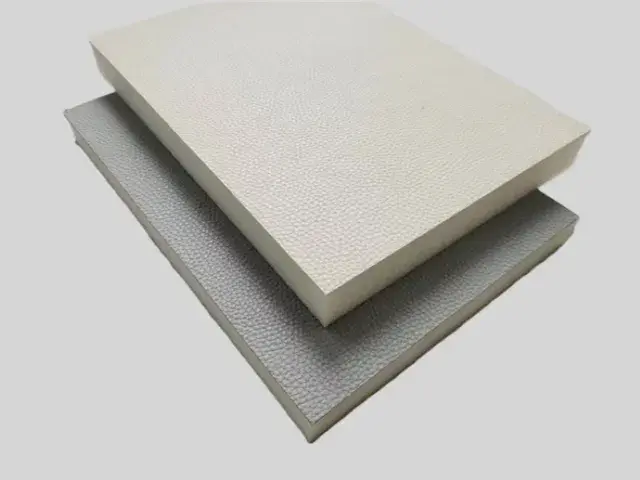
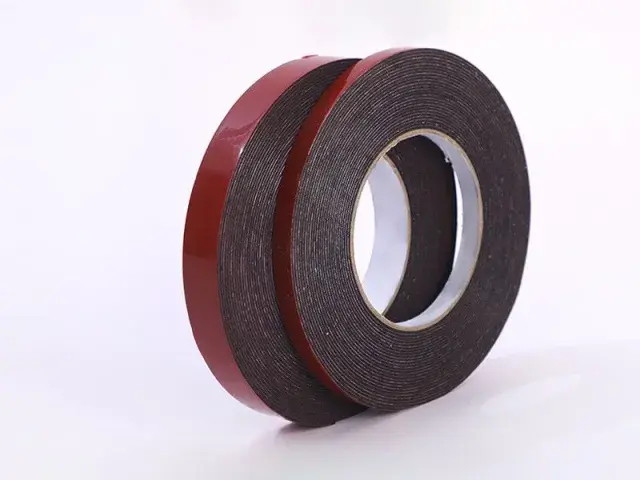
- Material: IXPE foam
- Expansion ratio: 30 times (33 kg/m³)
- Thickness: 1.5 mm, 2 mm (thickness can be customized)
- Colour: white (colour can be customized)
Customization
Made to order: density, thickness, colour and shape to your drawing. Die-cutting, CNC routing, lamination to film or fabric, slitting and adhesive coating all run in-house, so the part we quote is a finished part, not just a sheet. How a custom part is cut and routed explains what to send with the drawing.
Regular material: MOQ 1,000 m², lead time 15–20 days from order confirmation. Custom parts are quoted from the drawing. A4 samples are free, shipping included.
Strawberries bruise under their own weight. Once fruit is packed, every bump on the road is transferred through the punnet, and the damage only shows up on the shelf. A strawberry foam tray is a thin IXPE layer that sits under and between the fruit, absorbing that movement without adding bulk or trapping moisture. Bofeng cuts these trays to your punnet or carton dimensions.
Features
- Thin and flexible – 1.5–2 mm IXPE that lines a punnet or carton without adding bulk.
- Cushioning – absorbs the vibration and knocks of grading lines and road transport.
- Breathable layout – trays are cut so air still moves around the fruit.
- Moisture resistant – closed-cell IXPE absorbs very little water and does not hold it against the fruit.
- Clean white finish – white as standard, with further colours on request.
- Light weight – adds almost nothing to packed weight.
Applications
- Punnets – a foam base that cushions fruit in retail punnets.
- Export cartons – layer pads that separate rows of punnets on long-haul shipments.
- Soft fruit generally – blueberries, raspberries and other easily bruised varieties.
- Grading and packing lines – trays that carry fruit between stations without marking it.
- Retail display – trays that present fruit and return to shape after handling.
Specifications for strawberry foam tray
A produce tray cushions fruit in a punnet and has to tolerate cold storage and condensation.
| Foam | Expansion | Apparent density | Single-layer thickness | Why this grade |
|---|---|---|---|---|
| IXPE | 25–35× | 28.6–40 kg/m³ | 0.1–15 mm | Closed-cell, so the tray does not soften in a chilled, damp display, and it is thin enough to keep the punnet shallow. |
| XPE | 20–30× | 33.3–50 kg/m³ | 3–15 mm | Firmer tray for a heavier pack or a larger fruit. |
Base material specifications are on the XPE, IXPE and IXPP material pages; finished products are on the XPE foam and IXPE foam pages. Tell us the load, the space available and the service temperature and we will confirm the grade against your drawing.
Why Choose Bofeng Foam
- IXPE foam in the 30× (33 kg/m³) grade.
- 1.5 / 2 mm as standard, other gauges on request.
- White as standard, with further colours on request.
- Cut to your punnet or carton dimensions.
- Samples and specification sheets available before production.
How a tray is laid out so its contents are carried by the foam rather than by the box floor is covered in our foam insert design guide.
Fruit-Packaging Foam Sheets: Define the Container, Openings and Contact Scope
Distinguish the Sheet From the Formed Tray
Identify whether the part is a cut sheet, liner or another specified component inside a separate container. A sheet of XPE or IXPE is not automatically a moulded fruit tray. Show the actual container, openings, fruit arrangement and intended packing sequence before selecting the cut pattern.
Specify Airflow Through the Layout
Standard closed-cell foam does not provide connected pores through its body. Air movement must come from the agreed openings, gaps and container design. Check that the liner does not obstruct vents or drainage. A perforated layout needs review as a construction, not a claim that the underlying foam is intrinsically breathable.
Review Moisture and Handling
Condensation, retained water and product movement depend on the complete pack and distribution conditions. Low foam water uptake does not demonstrate a dry container, longer shelf life or a fixed reduction in bruising. Agree the relevant handling and appearance assessment using the actual container and payload.
Confirm Contact Documentation
Do not use this material description as direct-food-contact approval. The responsible packaging party must identify the contact and applicable market requirements, and confirm suitable evidence before such use. Keep the approved construction and any contact barrier identifiable. Send the container drawing, exposure conditions and required documentation with the enquiry.
For sample identity, dimensions and the acceptance record, use the first-article review checklist with the application-specific checks above.
Reviewing a strawberry tray with the actual produce and route
Define the packing format
Provide the intended outer container, packed quantity and arrangement of the fruit. State whether the foam is a lower support, a shaped separator or another component within the package. Include any liner, lid or adjacent packaging that is part of the intended construction. A tray outline without the complete pack does not show how the fruit is located or whether the package can close without unintended contact.
Use representative produce for the fit and handling review, recognising that natural variation must be addressed by the package owner. Identify the range of shapes or sizes the proposed arrangement is intended to accommodate and the packing method used. Do not assume a cavity that fits one selected fruit will suit the whole commercial range. Record the arrangement and the observations rather than promising a universal reduction in bruising.
Separate contact safety from cushioning
If the foam or another supplied layer may contact food, define that contact and the intended market before requesting documentation. The use of PE foam does not by itself establish food contact compliance for an unspecified grade, colourant or converted product. Confirm the actual available declaration or report and its scope. A package cushioning trial cannot substitute for contact safety evidence, just as a contact declaration cannot prove transport protection.
Provide the route and handling conditions selected by the pack owner for evaluation. Include any intended chilled handling and the complete packaging arrangement in the review. Foam material data cannot demonstrate that a pack maintains a required food temperature or guarantees shelf life. Those are questions for the relevant package and distribution assessment, with criteria set by the organisations responsible for the produce.
Approve the packing operation and reorder
Trial placing, closing, carrying and opening the pack using the intended workflow. Record visible marks and movement before and after the agreed distribution evaluation. Keep the initial condition of the produce in the record so later observations have a meaningful baseline. If the arrangement changes, identify whether the cause was the tray geometry, packed quantity or handling process rather than assigning every issue to the foam grade.
Retain the approved tray drawing, material description and full pack configuration. For a repeat order, identify the accepted contact documentation and any limits on the intended use. Review changes to the fruit arrangement, liner, lid or outer container before assuming the same result. This gives the buyer a practical approval basis without adding unsupported antimicrobial, food preservation or shelf life claims.
Identify whether the tray is intended for a single trip or for a managed reuse arrangement. Reuse requires its own cleaning, inspection and contact safety review; an initial fit trial does not establish those conditions.
Conclusion & Inquiry
Packaging foam covers the wider range of trays and inserts, and custom foam inserts explains the cutting and lamination options. Contact us with your punnet or carton dimensions and we will quote a cut layout.