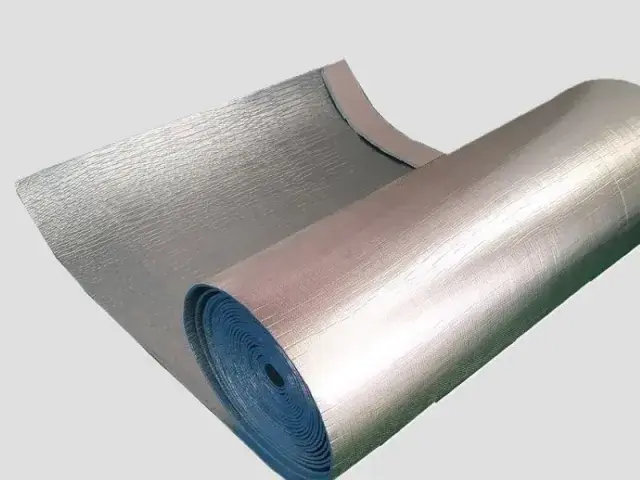
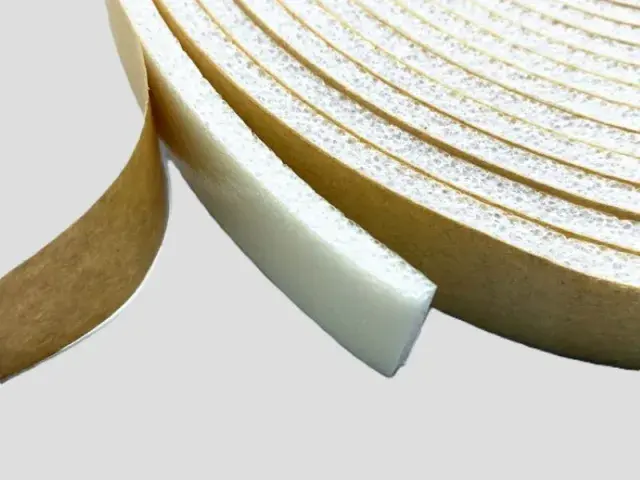
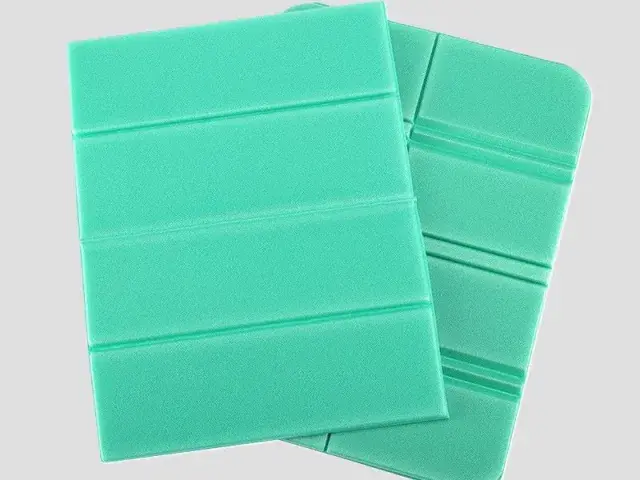
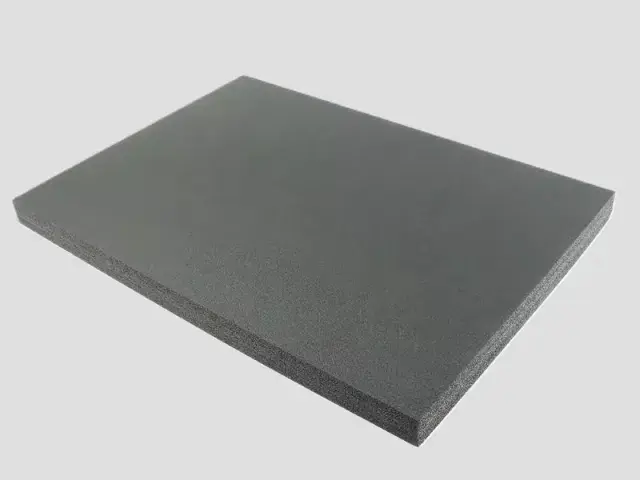
- Material: XPE foam
- Expansion ratio: 30 times (33 kg/m³), 35 times (28 kg/m³)
- Thickness: 30 / 40 mm (customizable)
- Width: 1 / 1.2 / 1.5 m (customizable)
- Colour: black, white, gray (customizable)
Customization
Made to order: density, thickness, colour and shape to your drawing. Die-cutting, CNC routing, lamination to film or fabric, slitting and adhesive coating all run in-house, so the part we quote is a finished part, not just a sheet. How a custom part is cut and routed explains what to send with the drawing.
Regular material: MOQ 1,000 m², lead time 15–20 days from order confirmation. Custom parts are quoted from the drawing. A4 samples are free, shipping included.
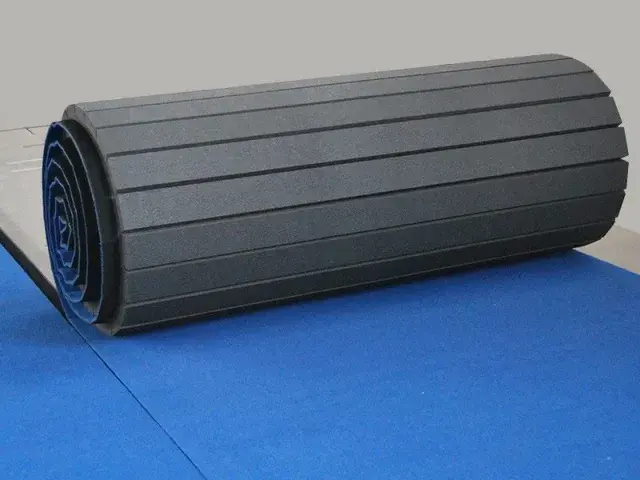
Hard floors and joint strain are the two main enemies of a good workout. Gym mat foam cushions the body during exercise, absorbs shock from equipment and dropped weights, and protects the floor underneath. Made from closed-cell XPE foam, it combines comfort, durability and easy cleaning.
Features
- Elastic and load-bearing – the closed cells compress and recover, so the mat takes the impact of a dropped weight and springs back.
- Anti-slip and abrasion resistant – the surface keeps its grip when it is wet with sweat, and it does not polish away where feet pivot.
- Light and portable – the sheet rolls and carries, which is what separates a gym mat from a fixed floor covering.
- Easy to clean – closed cells leave nowhere for sweat to soak in, so a damp cloth is enough.
- Made to order – thickness, size, colour and surface pattern are set per order.
Applications
- Home gyms – protects the floor and cushions training in a room that was not built for it.
- Commercial gyms and studios – yoga, dance and fitness floors.
- Outdoor use – camping, picnics and outdoor workouts.
- Children's play areas – a soft surface for active children.
- Rehabilitation rooms – support for therapy and recovery work.
Specifications for gym mat foam
A gym mat takes a heavier and more concentrated load than a yoga mat, and it is often fixed rather than rolled up.
| Foam | Expansion | Apparent density | Single-layer thickness | Why this grade |
|---|---|---|---|---|
| XPE | 8–15× | 66.7–125 kg/m³ | 3–15 mm (heat-bonded 15–200 mm) | Tear strength of 6–9 kN/m in this band, so the edges survive being dragged. Heat bonding builds the thicker competition mats. |
| IXPE | 15–25× | 40–66.7 kg/m³ | 0.1–15 mm | Used as the top layer where a smoother surface is wanted over a firm base. |
Base material specifications are on the XPE, IXPE and IXPP material pages; finished products are on the XPE foam and IXPE foam pages. Tell us the load, the space available and the service temperature and we will confirm the grade against your drawing.
Why Choose Bofeng Foam
- Closed-cell XPE foam – water-resistant, easy to clean and long-lasting.
- Custom thickness (30–40 mm), width and color options.
Gym Floor Pads: Separate Equipment Feet From Exercise Areas
Map the Load Zones
Mark exercise space, equipment footprints, moving equipment and any area exposed to falling objects. These are different design conditions. A material chosen for body contact is not automatically a qualified support under a concentrated equipment foot. Show the base, floor finish and proposed pad area before comparing grades.
Review the Whole Thickness Build
A multilayer pad has a core, bonds and often a protective face. Define which side faces the floor and how edges and seams are restrained. Different grades in a layer stack should be specified separately rather than represented by one average density. Test the complete stack when the intended result depends on compression or deformation.
Inspect Movement and Access
Check whether a pad walks, curls or catches at a transition during the intended activities. Examine the surface after contact with the actual equipment and cleaning process. A thicker pad may introduce a height transition that needs its own detail. Do not cover a floor defect or an unresolved moisture condition and treat it as a foam problem.
Define Performance Without a Lifetime Promise
Specify the intended loading, repeated-use evaluation and acceptance condition. Compression set does not by itself establish long-term creep, dropped-weight protection or impact-sound reduction. Keep the approved construction and installation instructions with the order, and set inspection or replacement decisions from the finished system rather than an assumed number of years.
For sample identity, dimensions and the acceptance record, use the first-article review checklist with the application-specific checks above.
Agree a Trial Area Before Releasing a Gym Floor Layout
Select a representative part of the proposed layout that includes a joint, a perimeter and the relevant equipment contact. Inspect the assembly with the actual floor and fixing arrangement. A hand-held sample cannot reveal whether the layout shifts during use, whether a transition catches, or how a concentrated equipment foot contacts the surface. Record the accepted detail rather than simply retaining a colour sample.
If different zones use different grades or layer stacks, label them on the layout and in the purchasing record. Do not merge them into a single density description. Check how a damaged section is replaced and whether replacement changes the joint height or restraint. The sample acceptance should identify which loading and use conditions were reviewed and which remain outside its scope.
Changes to equipment, floor finish, cleaner or fixing can affect the original decision even when the foam sheet is unchanged. Retain those changes with the reference and obtain the necessary system review before treating the new arrangement as equivalent. Foam recovery and material flammability are useful inputs, but they do not by themselves establish a floor load capacity, dropped-weight rating or room acoustic result.
Conclusion & Inquiry
From home workouts to professional gyms and recovery rooms, gym mat foam delivers the cushioning and safety your floor needs. Contact us for samples, specifications or a quote.
See high resilience foam for the grades used in gym and exercise matting, or yoga mat and exercise mat for related products. Contact us with your mat dimensions, thickness and quantity for a quotation, or read how to choose foam density and thickness first.