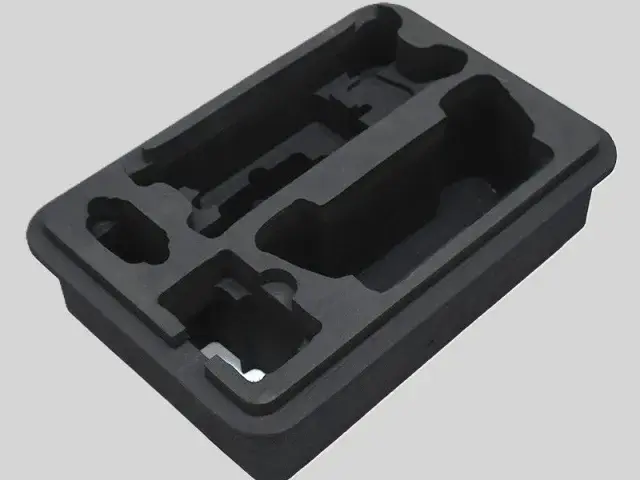
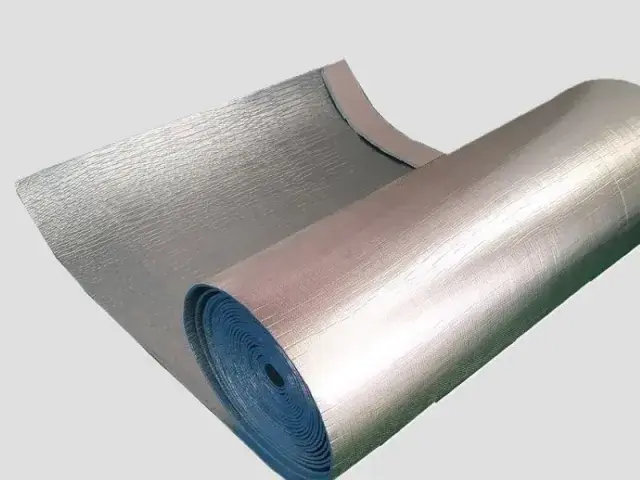
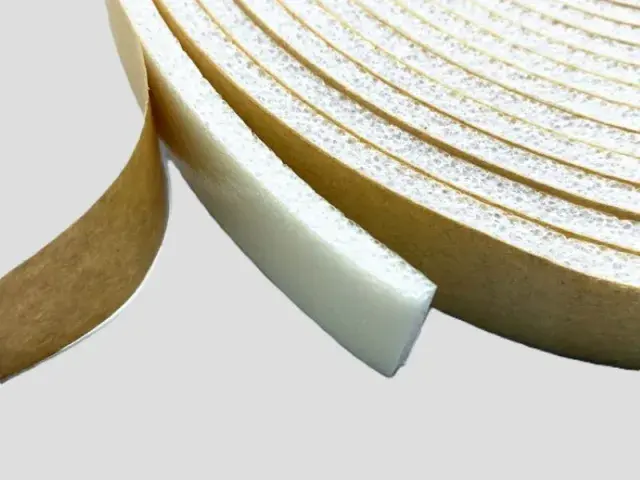
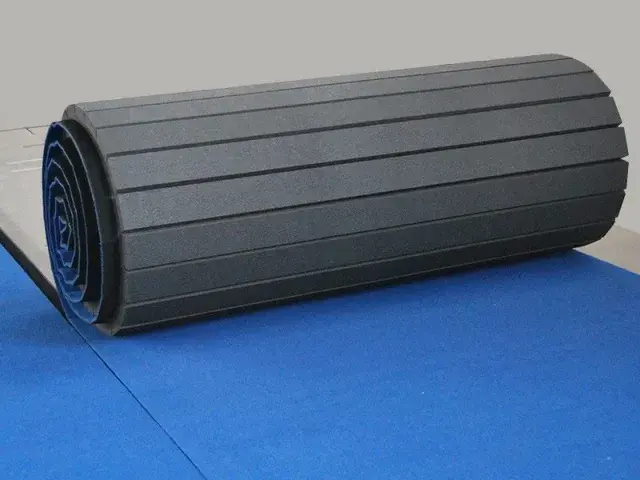
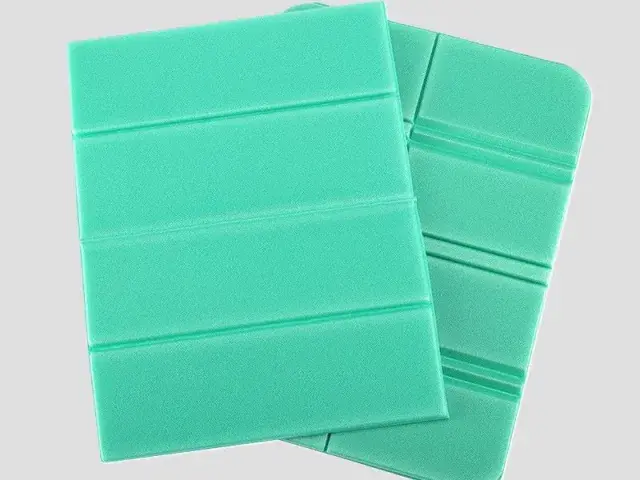
- Material: XPE foam, IXPE foam
- Expansion ratio: 30 times (33.3±3 kg/m³)
- Thickness: 30 mm, 40 mm, 50 mm (thickness can be customized)
- Colour: custom colours available
Customization
Made to order: density, thickness, colour and shape to your drawing. Die-cutting, CNC routing, lamination to film or fabric, slitting and adhesive coating all run in-house, so the part we quote is a finished part, not just a sheet. How a custom part is cut and routed explains what to send with the drawing.
Regular material: MOQ 1,000 m², lead time 15–20 days from order confirmation. Custom parts are quoted from the drawing. A4 samples are free, shipping included.
A swimming flotation board is a foam board used to support a swimmer – a kickboard in a lesson, a float in an aqua fitness class, or an aid in rehabilitation. Bofeng Foam produces the sheet it is cut from in cross-linked polyethylene at 30 mm to 50 mm, where the closed-cell structure is what keeps the board floating rather than waterlogging.
Features
- Buoyancy from closed cells: the foam traps air in cells that water cannot enter, so the board keeps supporting the swimmer rather than gradually sinking as an open-cell material would.
- Low water uptake: because the cells are closed, the board absorbs very little water and does not become progressively heavier over a season.
- Soft edges: the foam is cut and finished with rounded edges and no sharp corners, which reduces the risk of a knock in the water.
- Resistant to chlorine and salt: the material is not attacked by pool chemicals or seawater, so it holds up in daily commercial use.
- Thickness for the job: 30 mm, 40 mm and 50 mm, so support can be matched to the swimmer and the activity.
- Colour options: supplied in colour, which matters for visibility in a pool and for class colour-coding.
Applications
- Learn-to-swim kickboards
- Aqua fitness and water aerobics
- Swimming rehabilitation and physiotherapy
- Recreational pool floats
- Lifeguard and rescue training aids
Specifications for swimming flotation board foam
A kickboard has to float, hold its shape out of the water and take being thrown around.
| Foam | Expansion | Apparent density | Single-layer thickness | Why this grade |
|---|---|---|---|---|
| XPE | 30× | 33.3±3 kg/m³ | 3–15 mm (heat-bonded 15–200 mm) | Firm and closed-cell, so the board does not waterlog. Heat bonding builds the section thickness. |
| IXPE | 30× | 33.3±3 kg/m³ | 0.1–15 mm | Lighter board for a junior size. |
Base material specifications are on the XPE, IXPE and IXPP material pages; finished products are on the XPE foam and IXPE foam pages. Tell us the load, the space available and the service temperature and we will confirm the grade against your drawing.
Why Choose Bofeng Foam
We supply flotation board foam at 30× foaming (33.3±3 kg/m³) in 30 mm, 40 mm and 50 mm, in XPE and IXPE, in colour with colour made to order and cut to the board outline on request. The base material is described on the XPE foam page, and the larger floating products use the same material – see pool bed float.
In-house conversion. A flotation board is built to thickness from 15 mm sheet, heat-bonded into the 30–50 mm section and cut to the board outline. We do the bonding and the cutting; final assembly and branding of the finished board stay with the brand owner. Regular sheet starts at 1,000 m²; a board blank is quoted from the drawing.
Density, buoyancy and sustained water uptake are set out in our flotation foam guide.
Swimming Float Board Foam: Evaluate the Finished Board in Its Intended Use
Record the Board Geometry
Specify the outline, hand openings, edge shape, full thickness and any bonded layers. A material buoyancy characteristic does not establish the flotation, stability or strength of the finished board. Keep the intended user and use conditions with the product specification, rather than making a user-load promise from foam density.
Inspect Multilayer Edges
Where the build exceeds the single-layer material range, identify the bonded construction. Check the perimeter, cut-outs and layer interfaces on a real sample. Gripping, bending and carrying load these areas differently from the centre. Do not assume that a visually continuous laminate has already passed repeated wet handling.
Distinguish Water Uptake From Product Condition
The stated material test describes uptake under its specified conditions. It does not measure water retained at a facing, joint or damaged edge in service. Define how the whole board is inspected after the agreed immersion or use exposure, including dimensions, mass where relevant, and visible deterioration.
Keep the Safety Boundary Explicit
We supply foam and agreed converting; no swimming-aid, life-saving or personal-flotation approval follows from the material sheet. The finished-product maker must establish any applicable performance and market requirements. Send the product drawing and required evaluation conditions, and keep the approved layer stack and sample for repeat supply.
For sample identity, dimensions and the acceptance record, use the first-article review checklist with the application-specific checks above.
Float Board Sample Review: Separate Shape Approval From Product Performance
Keep the Whole Board Identifiable
Approve a drawing that identifies the outline, openings, edge shape and total construction. A material sample can show colour and feel but cannot represent the bending and handling of a finished board. Record whether it is a single material layer or a bonded build, and identify any facing or adhesive. The finished-product party must define the intended use and required evidence.
When comparing proposals, keep those construction details constant unless a change is explicitly being evaluated. A different hand opening or edge can affect the handling detail even if the foam grade remains the same. Do not assign a permitted user load, stability or safety category simply because another product has similar dimensions.
Review the Cut and Bonded Features
Inspect the perimeter and the areas around openings on a real sample. Check for the agreed edge quality, damaged layers and bond separation. If the product is intended to bend, retain the relevant evaluation condition with the observations. A visually continuous block is not evidence of repeated wet-handling life or complete-product strength.
Material water-uptake data have defined conditions. They do not establish the water held at a facing, a damaged interface or an added component. If the product specification needs a before-and-after measurement, identify the sample construction and exposure rather than mixing observations from different builds. Keep any unverified requirement separate from the raw-material table.
Control Approval and Repeat Changes
Record whether the sample decision concerns material appearance, dimensions, handling or a defined product test. These decisions should not be collapsed into a generic statement that the foam passes. Retain the finished reference, material grade and drawing revision so a repeat order remains tied to the accepted construction.
If the outline, bond, facing or manufacturing process changes, review whether the original result is still applicable. The supplier can confirm foam and converting to the agreed scope; it does not thereby approve a swimming aid, personal flotation device or rescue product. The responsible maker must obtain the applicable finished-product evidence before using such claims.
For a pool float with attached handles or fittings, describe how those components connect to the body and who supplies them. Include them in the approved assembly rather than evaluating only an uncut foam sheet. The finished product owner should determine the applicable instructions, warnings and assessments for the intended use. Foam buoyancy or density data cannot establish the safety of an unspecified float, its attachments or its suitability for an individual user. Identify permitted uses and warnings in the finished product instructions.
Conclusion & Inquiry
Send the board dimensions, the thickness and the colour, and we will quote against your volume. Contact us for samples.