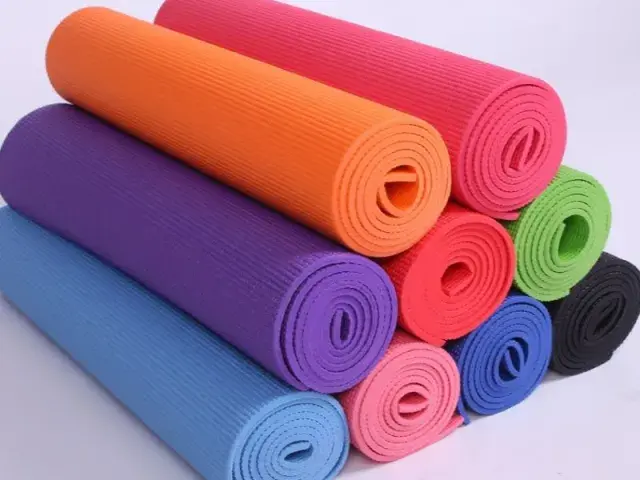
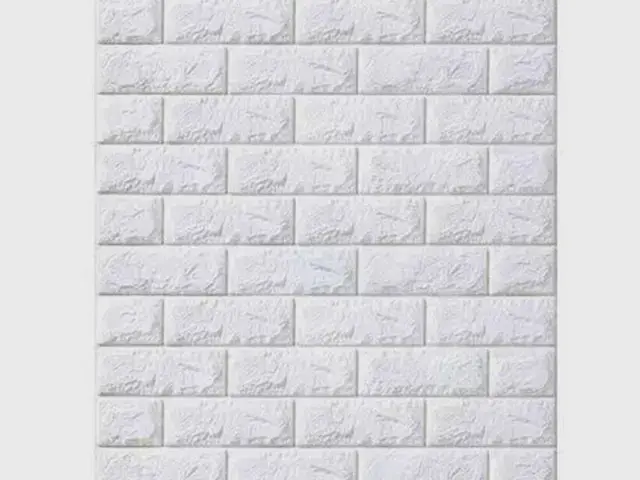
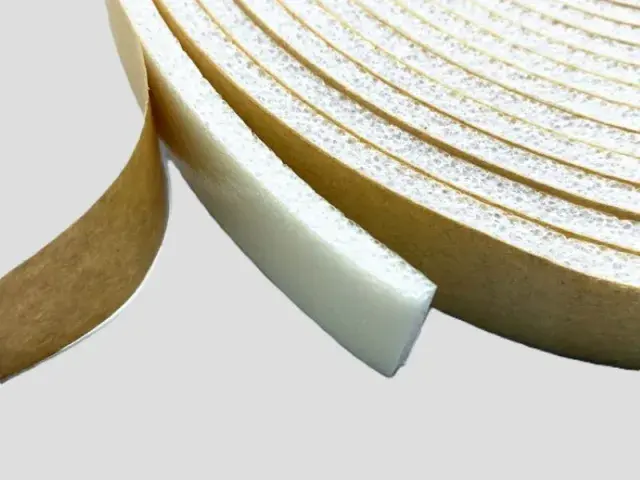
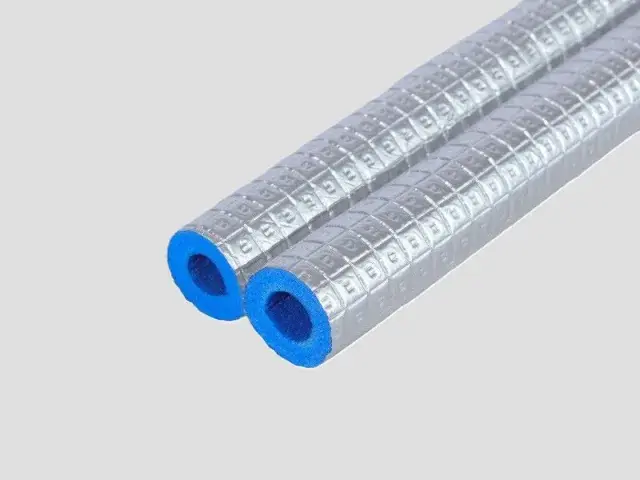
- Material: XPE foam, IXPE foam
- Expansion ratio: 5 times (200 kg/m³), 8 times (125 kg/m³), 10 times (100 kg/m³)
- Thickness: 2 mm, 3 mm, 5 mm (thickness can be customized)
- Colour: white, black, gray (colour can be customized)
Customization
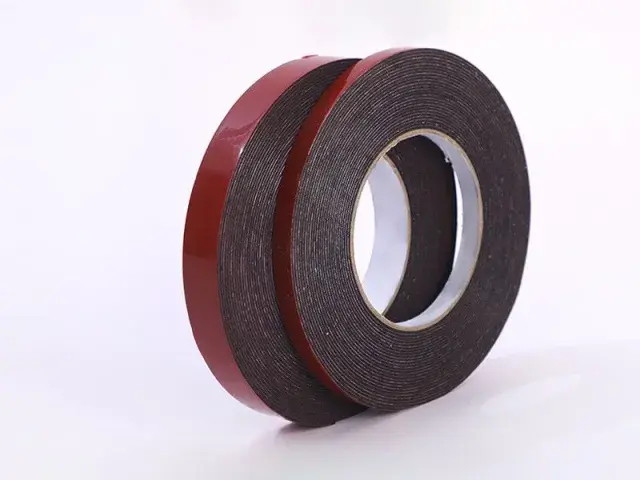
Made to order: density, thickness, colour and shape to your drawing. Die-cutting, CNC routing, lamination to film or fabric, slitting and adhesive coating all run in-house, so the part we quote is a finished part, not just a sheet. How a custom part is cut and routed explains what to send with the drawing.
Regular material: MOQ 1,000 m², lead time 15–20 days from order confirmation. Custom parts are quoted from the drawing. A4 samples are free, shipping included.
Backpack liner foam is the padding laminated behind the fabric of a pack – in the back panel, the shoulder straps, the base and, on camera and tool bags, in the dividers themselves. It protects both the wearer and the contents: it cushions the load against the back, and it absorbs the impact that would otherwise reach a laptop, a lens or an instrument inside.
Features
- Impact absorption: the closed-cell structure spreads a local impact over a wider area, which is what protects a fragile item in a bag that gets set down hard.
- Resilience: cross-linking means the foam returns to thickness after compression, so a strap pad or back panel does not flatten with use.
- Closed-cell, so it does not soak up water: a pack set down on wet ground stays dry inside, and the padding does not gain weight.
- Thin and light: 2 mm to 5 mm, so the pack keeps its shape without becoming a framed load carrier.
- Three densities: 5× (200 kg/m³), 8× (125 kg/m³) and 10× (100 kg/m³), so firmness can be matched to the load.
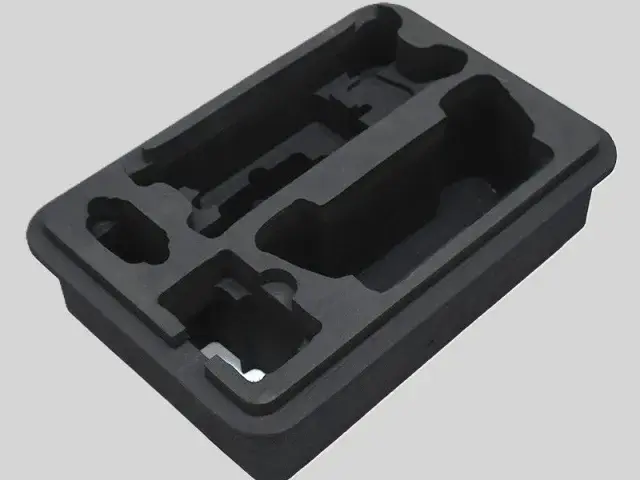
- Laminates and die-cuts cleanly: the sheet bonds to fabric and cuts to a pattern, which is how it becomes a back panel or a divider set.
Applications
- Back panels and shoulder straps on hiking and travel packs
- Camera and drone bags – the divider set that separates lenses and bodies
- Tool bags and instrument cases
- Laptop and tablet sleeves
- School bags and commuter packs
- Luggage structure and dividers
Specifications for backpack liner foam
Backpack foam is a back panel and a strap pad: it has to cushion, breathe and keep its shape.
| Foam | Expansion | Apparent density | Single-layer thickness | Why this grade |
|---|---|---|---|---|
| IXPE | 25–35× | 28.6–40 kg/m³ | 0.1–15 mm | Soft, fine-cell sheet for the contact side of a back panel. |
| XPE | 10–20× | 50–100 kg/m³ | 3–15 mm | Firmer structured layer that holds the pack away from the back and keeps its shape when loaded. |
Base material specifications are on the XPE, IXPE and IXPP material pages; finished products are on the XPE foam and IXPE foam pages. Tell us the load, the space available and the service temperature and we will confirm the grade against your drawing.
Why Choose Bofeng Foam
We produce the foam at 5×, 8× or 10× foaming in 2 mm, 3 mm and 5 mm, in white, black or gray with colour made to order, and cut to pattern on request. XPE and IXPE are both available; the difference between them is set out on the IXPE foam page, and the base grade on the XPE foam page. For the same material used to line luggage, see luggage liner foam.
Where high density earns its cost — panels that have to hold a shape under a load — is set out in our high density XPE foam guide.
Backpack Liners: Distinguish the Back Panel, Strap and Internal Divider
Locate Each Foam Part
A back panel, shoulder strap and internal divider experience different bending and contact. Provide their patterns, textiles, seam allowances and available space. One nominal thickness should not be assigned to every location without reviewing the finished bag and its intended load.
Review the Textile and Bond
Specify the complete laminate and its orientation. Check formed corners, stitch lines, edge handling and any adhesive using an assembled sample. Where another customer-specified material is proposed for converting, confirm its actual grade and source rather than applying XPE properties to it.
Describe Ventilation Separately
Standard closed-cell foam does not itself provide a through-sheet air path. Textile, openings and the backpack layout control the relevant construction. Neither low uptake nor a patterned face demonstrates sweat management, odour control or antimicrobial action. Define and validate any finished-product claim separately.
Keep the Bag Version With the Sample
Retain bag pattern, foam, facing and approval together. Review revised straps, stitching or payload requirements before repeat orders. The component supply does not establish an ergonomic or load-carrying rating for the backpack. Send the actual part drawings and intended assembly route for review.
For sample identity, dimensions and the acceptance record, use the first-article review checklist with the application-specific checks above.
Conclusion & Inquiry
Send the panel pattern, the thickness and the load the pack has to protect, and we will confirm the density. Contact us for samples or a quotation.