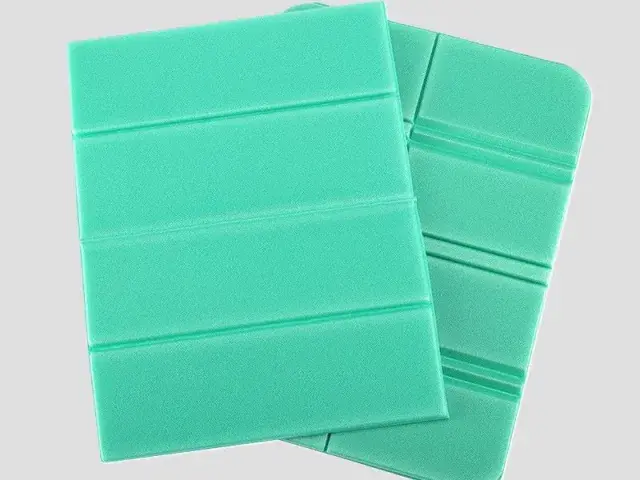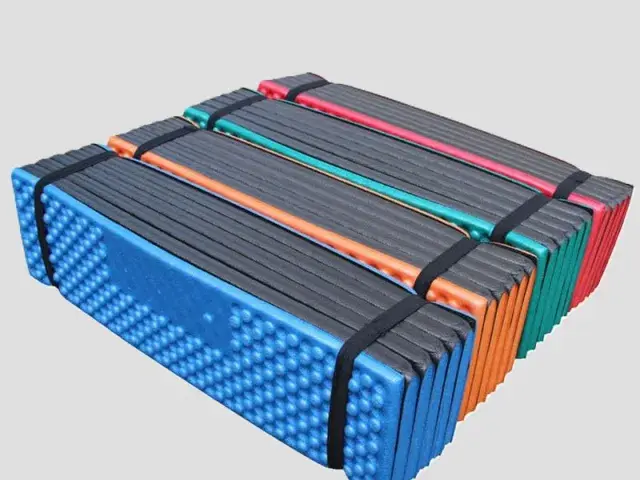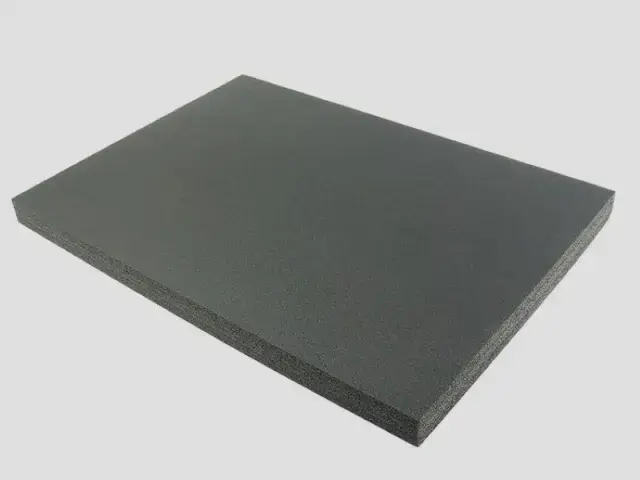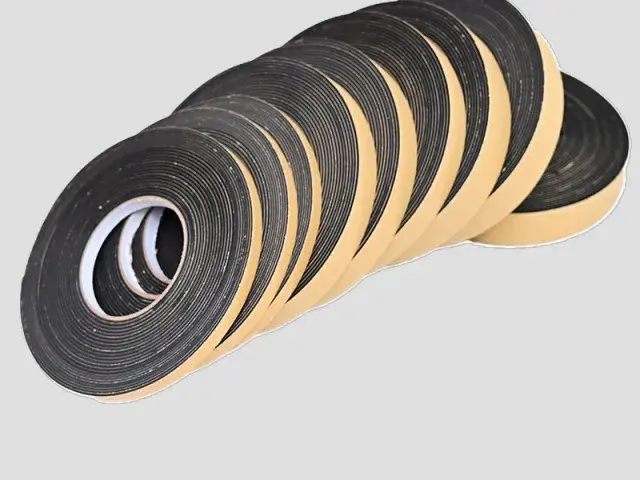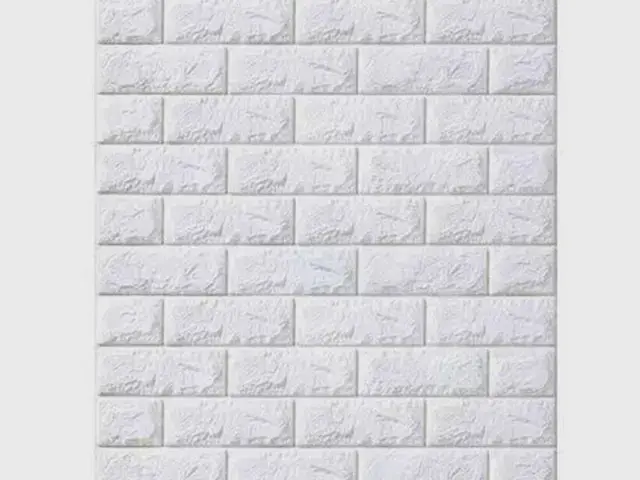

- Material: XPE (polyethylene foam)
- Expansion ratio: 20 times (50 kg/m³), 25 times (40 kg/m³), 30 times (33 kg/m³)
- Width: 1 m, 1.2 m, 1.5 m (customized within 1.8 m)
- Thickness: 10 mm, 20 mm (thickness can be customized)
Customization
Made to order: density, thickness, colour and shape to your drawing. Die-cutting, CNC routing, lamination to film or fabric, slitting and adhesive coating all run in-house, so the part we quote is a finished part, not just a sheet. How a custom part is cut and routed explains what to send with the drawing.
Regular material: MOQ 1,000 m², lead time 15–20 days from order confirmation. Custom parts are quoted from the drawing. A4 samples are free, shipping included.
Artificial turf pad foam is the layer between the synthetic turf and the ground beneath it. It is what gives a pitch its shock absorption, and it is the part of the system that decides how the surface feels underfoot and how long the turf itself lasts. Bofeng Foam produces it in cross-linked polyethylene at the densities a sports surface needs.
Features
- Shock absorption: the foam compresses under a footfall and returns, which is what reduces the joint load on a player running on a hard base.
- Three densities: 20× (50 kg/m³), 25× (40 kg/m³) and 30× (33 kg/m³), so the pad can be matched to the sport and the base beneath it.
- Water management: the closed-cell structure does not hold water, so the pad does not become a sponge that keeps the pitch saturated after rain.
- Weather resistance: resists temperature cycling, so the pad does not crumble or flatten after a few seasons outdoors. For long-term exposure to direct sun, specify a UV-stabilised grade.
- Stable under load: cross-linking keeps the cell structure from collapsing, so the shock absorption is still there years later rather than only on installation.
- Simple to lay: supplied in rolls, cut to the pitch outline and laid without specialist equipment.
Applications
- Football and rugby pitches
- Baseball and multi-sport fields
- School and kindergarten playgrounds
- Landscape and roof-garden turf installations
- Domestic balconies and courtyards laid with artificial grass
Specifications for artificial turf pad foam
A turf pad absorbs the shock of a landing and drains, so water uptake matters as much as cushioning.
| Foam | Expansion | Apparent density | Single-layer thickness | Why this grade |
|---|---|---|---|---|
| XPE | 10–20× | 50–100 kg/m³ | 3–15 mm | Water absorption no more than 0.2%, so the pad does not hold water or go soft after rain. |
| IXPE | 20–30× | 33.3–50 kg/m³ | 0.1–15 mm | Softer shockpad layer underneath a firmer stabilising layer. |
Base material specifications are on the XPE, IXPE and IXPP material pages; finished products are on the XPE foam and IXPE foam pages. Tell us the load, the space available and the service temperature and we will confirm the grade against your drawing.
Why Choose Bofeng Foam
We supply turf pad foam in 10 mm and 20 mm at 20×, 25× or 30× foaming, in widths of 1 m, 1.2 m and 1.5 m with up to 1.8 m available on request. The base material is described on the XPE foam page, and how density and thickness trade off against each other is set out in the guide to choosing foam density and thickness.
In-house conversion. A turf pad is usually a build-up rather than one sheet – a softer IXPE shockpad heat-bonded under a firmer XPE stabilising layer. We laminate the layers, slit the roll to the width your installer works with and cut panels to the pitch layout. Regular sheet starts at 1,000 m²; a built-up pad is quoted from the layer stack and the roll plan.
Conclusion & Inquiry
Tell us the sport, the base construction and the area, and we will recommend a density and thickness. Contact us for samples or a quotation.