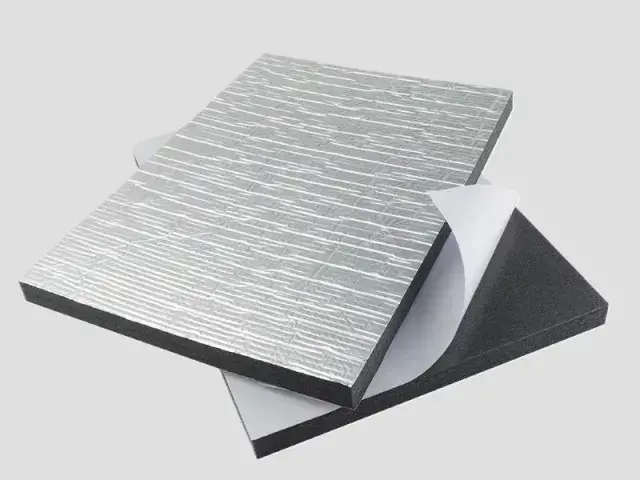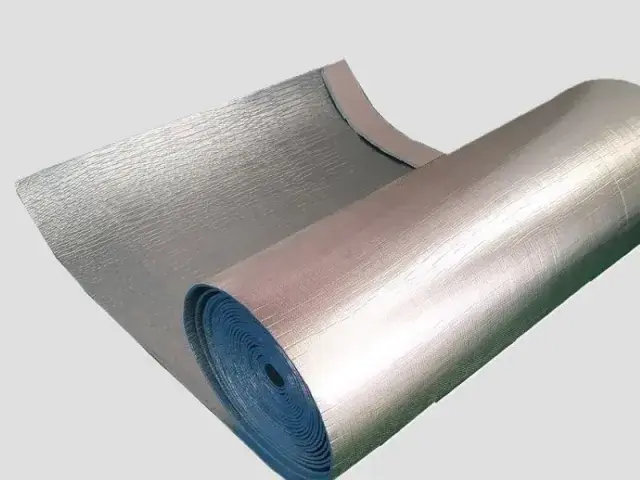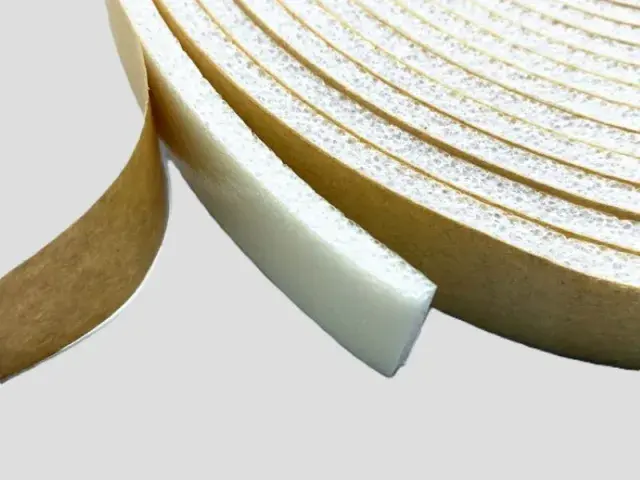

- Material: XPE foam, IXPE foam
- Expansion ratio: 25 times (40 kg/m³), 30 times (33 kg/m³)
- Thickness: 12 mm, 14 mm, 16 mm (thickness can be customized)
- Colour: black (colour can be customized)
- Flame retardant grade: UL94 HF-1
Customization
Made to order: density, thickness, colour and shape to your drawing. Die-cutting, CNC routing, lamination to film or fabric, slitting and adhesive coating all run in-house, so the part we quote is a finished part, not just a sheet. How a custom part is cut and routed explains what to send with the drawing.
Regular material: MOQ 1,000 m², lead time 15–20 days from order confirmation. Custom parts are quoted from the drawing. A4 samples are free, shipping included.
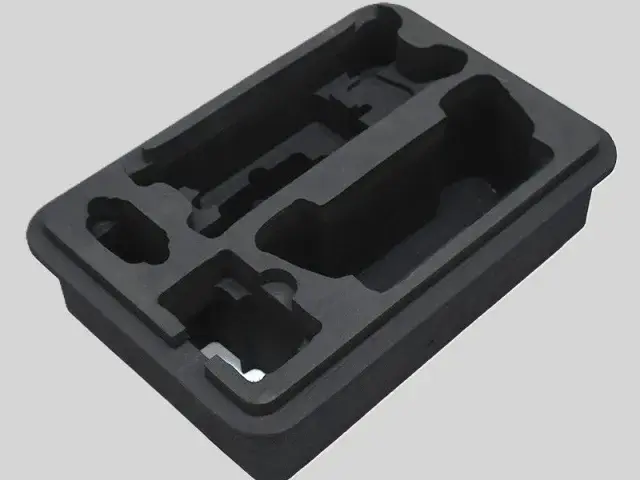
Tea is fragile in ways that are easy to overlook: leaves crack, aroma escapes and moisture ruins a consignment long before the outer box shows any damage. A tea packaging foam insert holds tins, caddies and sachets firmly in place so they cannot shift, rub together or take the full force of a drop. Bofeng die-cuts these inserts from XPE and IXPE foam — closed-cell polyethylene with a fine, even cell structure that cushions well and cuts cleanly into the tight cavities gift packaging needs.
Features
- Firm, shaped hold – die-cut cavities sized to your tin, caddy or sachet, so contents stay exactly where they were placed.
- Effective cushioning – closed-cell XPE/IXPE absorbs impact and vibration, then recovers its shape after compression.
- Moisture resistant – the closed-cell structure absorbs very little water, helping keep contents dry through humid storage and long transit.
- Low added weight – contributes almost nothing to shipping weight compared with timber or moulded pulp.
- Clean, presentation-ready edges – cuts to a smooth finish suitable for gift boxes, display trays and retail packaging.
- Custom density and thickness – 25× (40 kg/m³) and 30× (33 kg/m³) grades, 12–16 mm as standard.
Applications
- Gift-boxed tea – a foam layer under the lid and around each caddy, so the set stays arranged and arrives looking intact.
- Tea tins and caddies – shaped cavities that hold cylindrical tins upright and stop metal rims striking each other.
- Sachets and small packs – thin foam sheets and dividers that separate individual packs and prevent edge wear.
- Bulk and export cartons – interleaving layers that keep stacked cartons stable across multi-handling routes.
- Retail display trays – foam trays that present loose or bagged tea and return to shape after customer handling.
Specifications for tea packaging foam
A tea foam insert is a die-cut part, so the sheet has to hold a cavity, keep its thickness and cut cleanly.
| Foam | Expansion | Apparent density | Single-layer thickness | Why this grade |
|---|---|---|---|---|
| XPE | 10–20× | 50–100 kg/m³ | 3–15 mm (heat-bonded 15–200 mm) | Use this XPE range as a starting point for a clean die-cut cavity around a sealed tin. Check fit and removal on the finished insert, then inspect retention and deformation after the planned shipping sequence. |
| IXPE | 20–30× | 33.3–50 kg/m³ | 0.1–15 mm | Fine-cell sheet for the lid liner and for thin interleaving between parts, where a firmer sheet would not close. |
Base material specifications are on the XPE, IXPE and IXPP material pages; finished products are on the XPE foam and IXPE foam pages. Tell us the load, the space available and the service temperature and we will confirm the grade against your drawing.
Why Choose Bofeng Foam
- Die-cut cavities sized to your tin, caddy or sachet.
- Flame-retardant grade available – UL94 HF-1.
- 12 / 14 / 16 mm sheet as standard, other gauges on request.
- Black as standard, with further colours on request.
- Samples and specification sheets available before production.
The two numbers that decide an insert — cut-through and retained bottom — are worked through in our custom foam insert design guide.
Tea Packaging Inserts: Support the Container, Not Its Decorative Lid
Identify Every Packed Item
Show the sealed tea container, outer box and any accessories in the pack-out. A canister, a jar and a pouch need different support locations. Do not let a decorative lid or projecting handle become the only load path. The insert drawing should identify which surfaces may contact foam and which finishes require clearance.
Check Removal as Well as Retention
A pocket tight enough to prevent movement can be difficult to unpack. Trial finger access and removal using the actual container, including its finish and dimensional variation. Check that a notch does not expose the most fragile edge to impact. Keep the box closure in the evaluation rather than approving a loose insert.
Review Display and Transport Separately
Colour and surface appearance are part of a presentation box, while transport suitability depends on the completed pack. Inspect abrasion, debris and the intended distribution test against agreed criteria. A clean-looking insert is not evidence for a drop rating or a fixed damage reduction.
Keep Food-Contact Claims Outside This Material Description
This component page does not grant direct-food-contact approval. Describe whether foam contacts an outer sealed container or whether any different contact use is proposed, and require the relevant evidence before accepting that use. Send container and box dimensions, contact restrictions, quantity and the agreed sample acceptance method.
For sample identity, dimensions and the acceptance record, use the first-article review checklist with the application-specific checks above.
Conclusion & Inquiry
Whether you are packing a single gift caddy or a pallet of export cartons, the insert decides how the tea arrives. Packaging foam covers the wider range of custom inserts and trays, and custom foam inserts explains the die-cutting and lamination options. Contact us with your tin or carton dimensions and we will quote a cut layout.