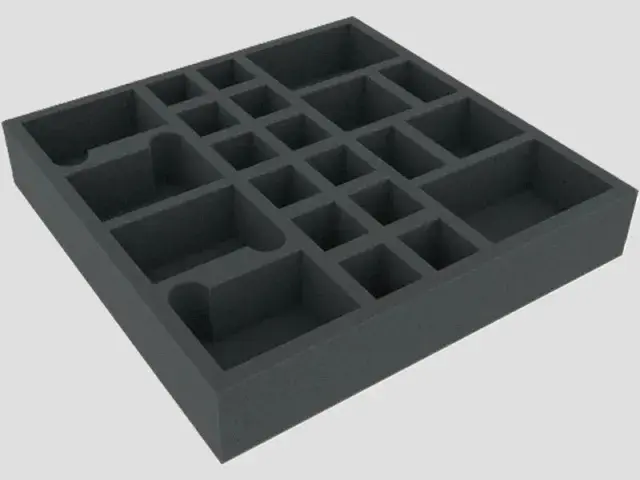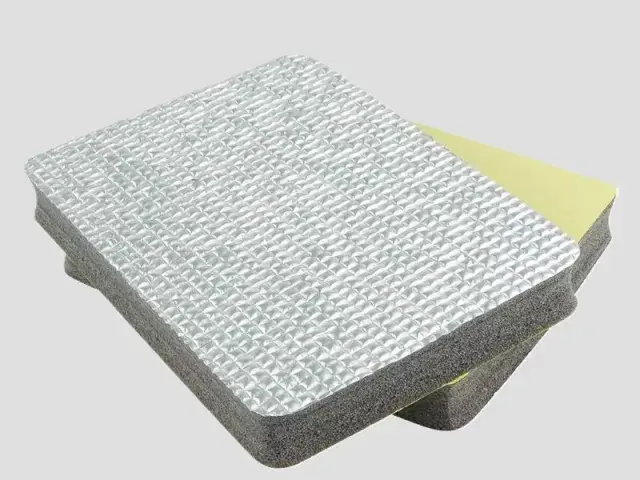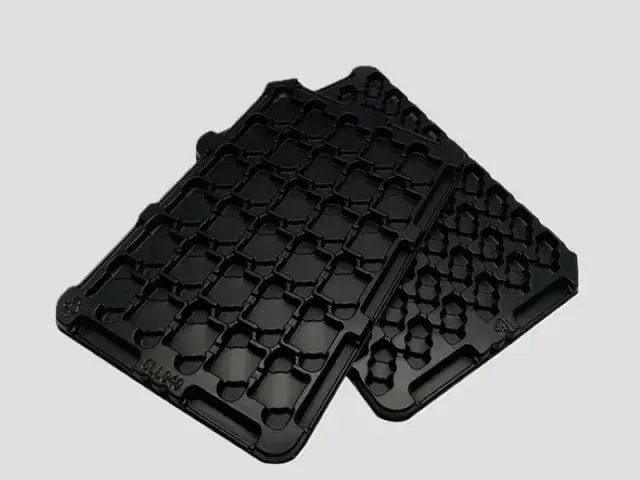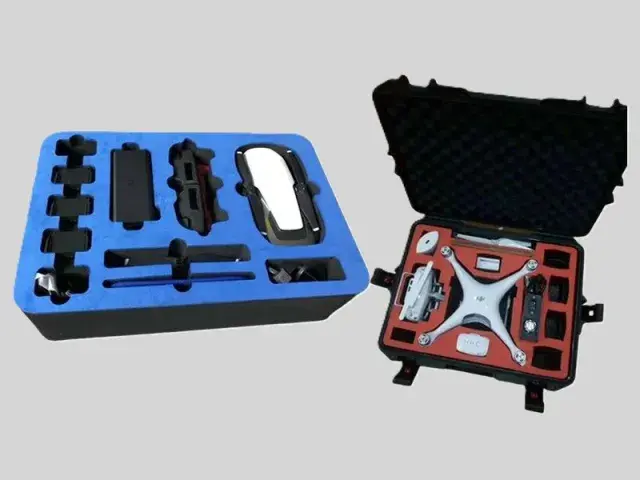

- Material: XPE foam (chemical cross-linked polyethylene)
- Expansion ratio: 3–40 times (26.8–300 kg/m³)
- Thickness: single-layer 3–15 mm; thermally laminated (multi-layer) 15–200 mm
- Width: 500–2000 mm (width can be customized)
- Colour: black, white, gray (colour can be customized)
- Cross-linking: chemical
Customization
Made to order: density, thickness, colour and shape to your drawing. Die-cutting, CNC routing, lamination to film or fabric, slitting and adhesive coating all run in-house, so the part we quote is a finished part, not just a sheet. How a custom part is cut and routed explains what to send with the drawing.
Regular material: MOQ 1,000 m², lead time 15–20 days from order confirmation. Custom parts are quoted from the drawing. A4 samples are free, shipping included.
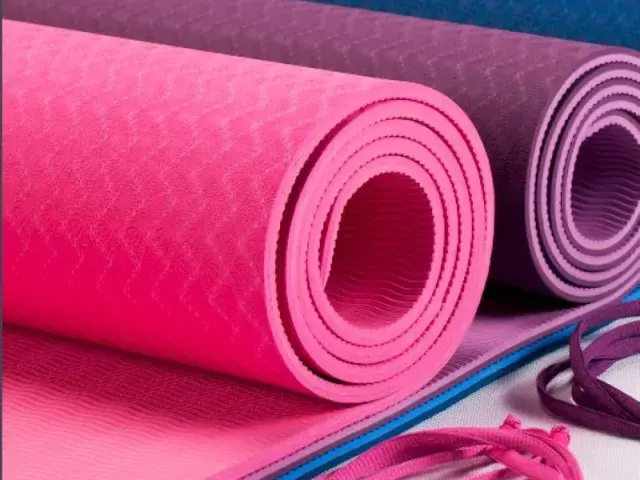
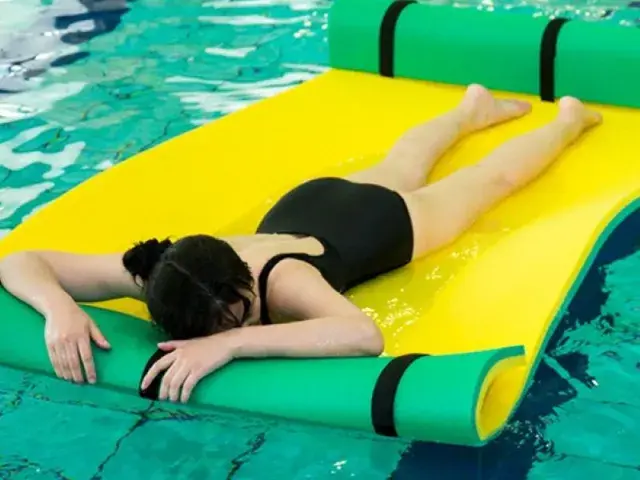
An exercise mat is floor protection that a person works out on. It has to cushion a landing, give a stable surface to push off from, and survive being walked on, dropped on and stacked. Bofeng Foam produces the sheet in cross-linked polyethylene across the standard density range, so the mat can be specified soft for floor work or firm for equipment.
Features
- Cushioning for landings: the foam absorbs the impact of a jump or a fall and reduces the load reaching the joints.
- Stable underfoot: at the higher densities the mat gives a firm surface for balance and strength work rather than sinking under the user.
- Abrasion and tear resistance: the closed-cell structure resists the wear that comes from repeated use, dragged equipment and cleaning.
- Closed-cell, so it wipes clean: sweat and spillage do not soak in, which matters in a shared facility.
- Density across the range: 3× to 40× foaming (26.8 to 300 kg/m³), so cushioning can be traded against firmness and durability.
- Laminated build-ups: single-layer sheet from 3 mm to 15 mm, or thermally laminated from 15 mm to 200 mm where a thicker mat is needed.
Applications
- Gymnasiums and fitness studios
- Schools and physical education departments
- Home gyms
- Rehabilitation and physiotherapy rooms
- Children's play areas
- Martial arts and dance floors
Specifications for exercise mat foam
An exercise mat is used on a hard floor, so it needs grip, resilience under repeated loading and a consistent thickness.
| Foam | Expansion | Apparent density | Single-layer thickness | Why this grade |
|---|---|---|---|---|
| XPE | 15–25× | 40–66.7 kg/m³ | 3–15 mm | Resilient under repeated compression, with a compression set under 10% so the mat does not flatten in the middle. |
| IXPE | 25–35× | 28.6–40 kg/m³ | 0.1–15 mm | Smoother surface for the contact side of a thinner mat. |
Base material specifications are on the XPE, IXPE and IXPP material pages; finished products are on the XPE foam and IXPE foam pages. Tell us the load, the space available and the service temperature and we will confirm the grade against your drawing.
Why Choose Bofeng Foam
We supply exercise mat foam across the standard XPE range in widths of 500 mm to 2000 mm, in black, white or gray with colour made to order, chemically cross-linked, cut to the mat size required. The base material is described on the XPE foam page; the thicker version used for practice mats is the yoga mat, and the version used in a gym is the gym mat.
The choice between XPE and IXPE for a mat, and the density that follows from it, is set out in our mat guide.
Conclusion & Inquiry
Tell us the mat size, the activity and the thickness, and we will recommend a density. Contact us for samples or a quotation.