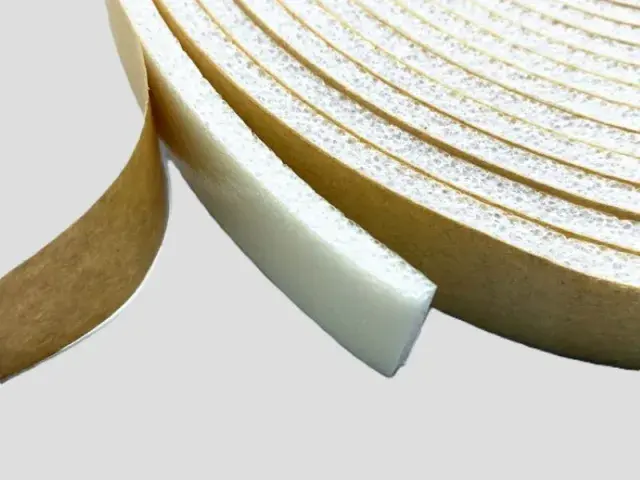
- Material: XPE foam, IXPE foam
- Expansion ratio: 30 times (33 kg/m³)
- Thickness: 6 mm, 8 mm, 10 mm (thickness can be customized)
- Width: 1 m, 1.5 m, 1.8 m (width can be customized)
- Colour: white (colour can be customized)
Customization
Made to order: density, thickness, colour and shape to your drawing. Die-cutting, CNC routing, lamination to film or fabric, slitting and adhesive coating all run in-house, so the part we quote is a finished part, not just a sheet. How a custom part is cut and routed explains what to send with the drawing.
Regular material: MOQ 1,000 m², lead time 15–20 days from order confirmation. Custom parts are quoted from the drawing. A4 samples are free, shipping included.
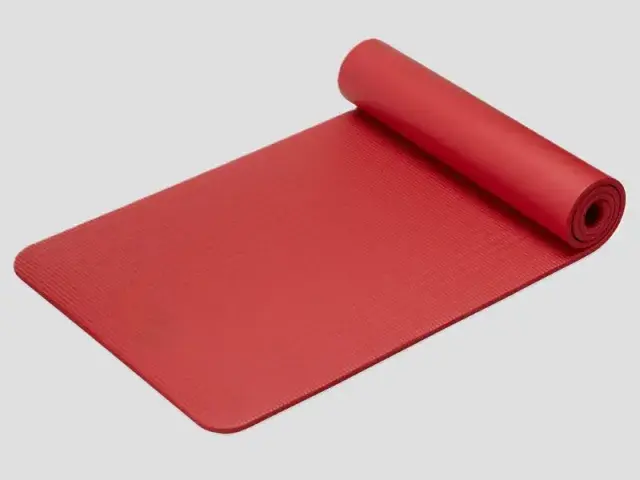
A baby play mat is the surface a child learns to crawl, stand and fall on. Bofeng Foam produces the sheet it is made from in cross-linked polyethylene at 6 mm to 10 mm, a material chosen for this use because it is closed-cell, does not use plasticiser, and can be wiped clean rather than absorbing whatever is spilled on it.
Features
- No plasticiser: XPE is cross-linked rather than plasticised, so it does not contain the phthalate plasticisers that a soft PVC mat relies on.
- Closed-cell and wipe-clean: the surface does not absorb milk, food or spills, so it can be cleaned with a cloth instead of being laundered.
- Cushioning for falls: at 6 mm to 10 mm the foam takes the edge off the repeated falls that come with learning to walk.
- Firm enough to crawl on: the sheet gives a stable surface, so a child is not sinking into it while trying to push up.
- Light and reconfigurable: the mat is easy to move between rooms and can be supplied in a size that suits the space.
- Made to size: supplied in widths of 1 m, 1.5 m and 1.8 m, with thickness and colour made to order.
Applications
- Home play areas and nurseries
- Kindergartens and childcare centres
- Playgroups and family rooms
- Outdoor play on a lawn or patio
Specifications for baby play mat foam
A play mat has to be soft against a fall, easy to wipe clean, and stable enough not to slide.
| Foam | Expansion | Apparent density | Single-layer thickness | Why this grade |
|---|---|---|---|---|
| XPE | 15–25× | 40–66.7 kg/m³ | 3–15 mm | Closed-cell, so it does not absorb spills, and firm enough that a folded mat lies flat again. |
| IXPE | 25–35× | 28.6–40 kg/m³ | 0.1–15 mm | A softer top surface for a printed play mat where the child contacts the foam. |
Base material specifications are on the XPE, IXPE and IXPP material pages; finished products are on the XPE foam and IXPE foam pages. Tell us the load, the space available and the service temperature and we will confirm the grade against your drawing.
Why Choose Bofeng Foam
We supply play mat foam at 30× foaming (33 kg/m³) in 6 mm, 8 mm and 10 mm, in widths of 1 m, 1.5 m and 1.8 m, in white or to a specified colour, in XPE and IXPE. The base material and how it is made is set out on the XPE foam page.
In-house conversion. A play mat is a laminated build: an IXPE top layer for the printed surface the child touches, over an XPE base. We laminate and cut the sheet; the print itself is applied by the brand's printer. Regular sheet starts at 1,000 m²; a laminated mat is quoted from the drawing.
The crawling mat as a product — surface, thickness and the points that matter for it — is covered in our XPE crawling mat article.
Baby Play Mat Material: Keep Component Data Separate From Product Approval
Describe the Actual Finished Product
Provide the intended market, age-use category, dimensions, cover or printed film, joints and packaging. Bare foam, a printed laminate and a puzzle assembly are different constructions. Material identity does not establish compliance of the complete consumer product. Ask the responsible finished-product party to identify the applicable requirements before selecting a grade.
Review Joints and Small Features
Check the proposed assembly for fit, opening joints, detachable features and edge integrity under the agreed evaluation. Do not treat a tight new sample as evidence that joints retain the same condition after cleaning or repeated assembly. Layout and converting should be reviewed with the finished-mat design rather than left to a general thickness recommendation.
Assess the Whole Contact Surface
Include ink, facing, adhesive and any coating when requesting chemical or contact-related documentation. A statement about the foam alone cannot be transferred to a printed or bonded mat. Low water uptake does not demonstrate antibacterial behaviour, absence of odour or suitability for mouthing. Claims must be supported for the selected materials and intended use.
Agree Acceptance Before Production
Approve the dimensions, layer stack, finish and the evidence required for the target market. Retain a reference sample and review changes to print, adhesive or supplier materials before repeat supply. Foam cushioning is not a promise to prevent injury, and this component page does not grant toy, childcare or finished-product certification.
For sample identity, dimensions and the acceptance record, use the first-article review checklist with the application-specific checks above.
Play Mat Procurement: Keep Every Contact Layer and Product Revision Identifiable
Describe the Product That Will Actually Be Sold
A material swatch is not the complete product. Record the intended product category, target market, dimensions, construction and responsible finished-product party before selecting foam. Identify whether the supplied part is plain sheet, a printed laminate, a cut panel or another component. These forms can contain different materials and interfaces even when the core grade is the same.
Ask the responsible party to identify the applicable requirements and evidence for the intended use. The supplier should state which documents describe the foam and which do not cover the finished mat. Avoid using a broad material description as a substitute for review of the printed surface, joints, packaging and other parts that reach the customer. This page does not determine suitability for a particular child or grant a consumer-product approval.
Keep the Face, Ink and Adhesive in the Review
If a surface is printed or laminated, identify the ink, film, adhesive and any coating along with the foam. A document for an unprinted core does not automatically cover those added layers. Record which material is exposed at the face and at cut edges, and ask what evidence applies to that actual construction. Do not describe the complete mat as approved from a single raw-material statement.
Changes that appear cosmetic can change the material stack. A new colour, face film, print process or adhesive should remain traceable to the approved product revision. Keep the relevant sample and documentation together rather than relying on a supplier name alone. If the evidence does not apply to a new construction, identify the required review before repeat production.
Assess Joints and Features as Part of the Product
For a joined or puzzle design, evaluate the actual assembly and the relevant handling conditions defined for the product. Record fit, edge integrity and any detachable features against the agreed criteria. A tight new sample does not establish the same condition after cleaning, repeated assembly or storage. The core material does not decide the whole joint design.
For a roll or folding construction, retain the packing format and inspect the finished sample after the agreed condition. Creases, curling and changes at the face or bond should be assessed as part of that construction. The material supplier should not invent acceptable limits from a generic foam table; the responsible product maker must define and verify them.
Separate Cleaning, Water Uptake and Product Claims
The core has grade-specific water-uptake results under stated test conditions. Those data do not describe a printed surface, an opened edge or water retained at a joint. They also do not establish antibacterial action, odour control or suitability for mouthing. Any such claim requires evidence appropriate to the intended finished product rather than a statement that closed cells make every use safe.
Identify the intended cleaning process and evaluate the complete contact construction accordingly. Keep the cleaner and procedure with the sample record so later changes are visible. Do not treat a wipeable face as permission to use every cleaning or disinfecting product. The relevant compatibility and finished-product conditions must be confirmed by the responsible parties.
Approve and Control the Supply Scope
Before release, record the drawing, grade, layer stack, dimensions, finish and applicable evidence. Distinguish an accepted material sample from acceptance of tooling or production. If a deviation is approved, keep its scope in the record rather than silently making it a new general specification. Retain the reference sample so subsequent supply can be compared meaningfully.
The quotation should state which converting steps and materials are included. A different joint, print or facing should trigger review of the accepted construction and its documents. Foam cushioning alone does not promise injury prevention, and a familiar material name does not replace finished-product testing. Keeping these boundaries explicit makes the purchase review clearer without creating a certification that has not been provided.
Review the packaging and assembly instructions with someone following them for the first time. Record whether the intended layout, edges and separate pieces can be identified without improvisation. If the article is presented as a children's product, the product owner must identify the applicable safety requirements and evidence. An appealing pattern or a soft hand feel does not establish that the finished play mat meets those requirements.
Conclusion & Inquiry
Tell us the mat size, the thickness and the colour, and we will confirm the grade. Contact us for samples or a quotation.