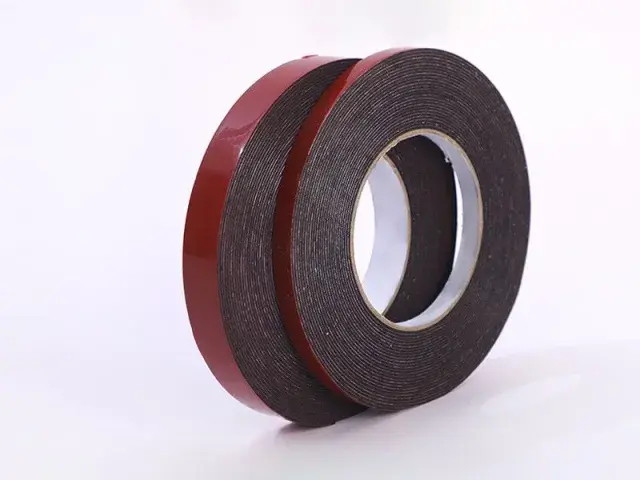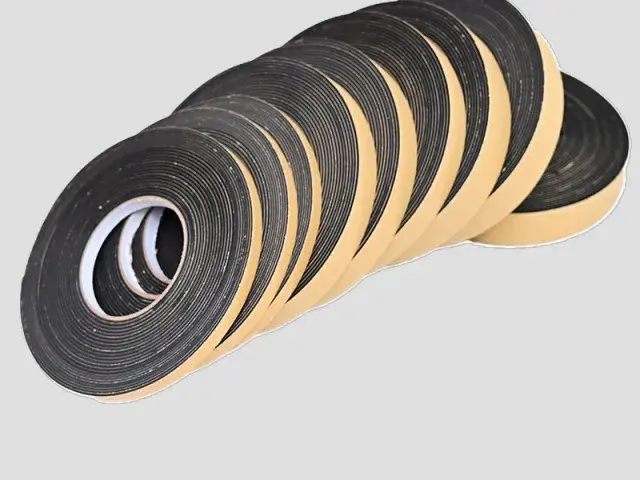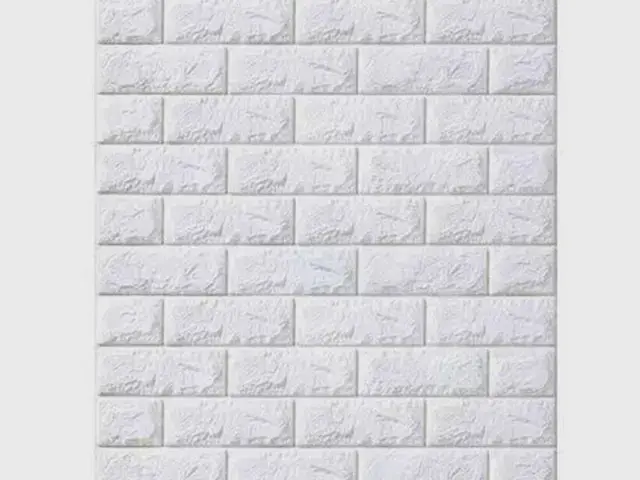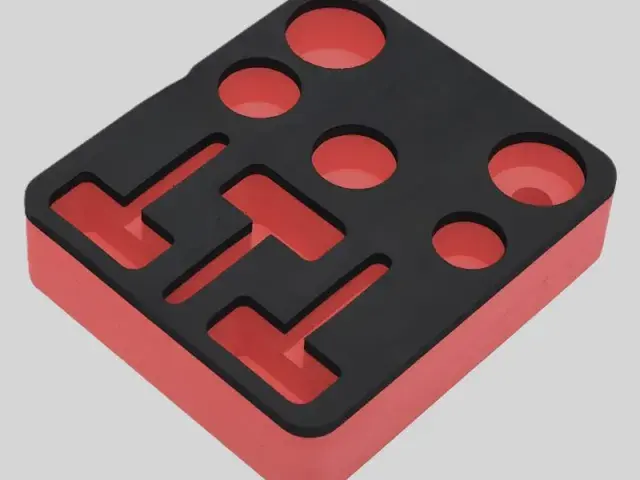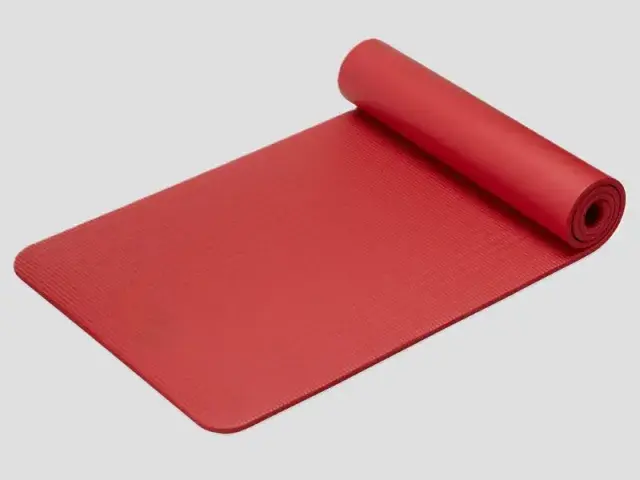
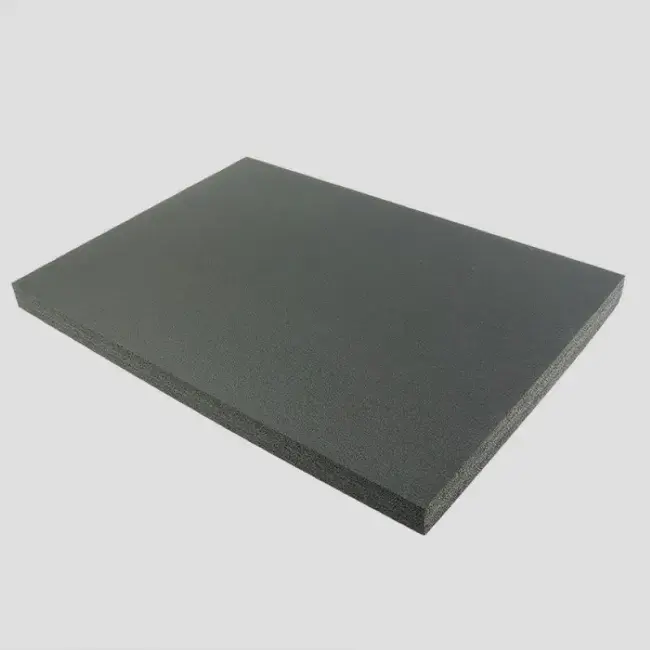
- Material: XPE foam
- Expansion ratio: 30 times (33 kg/m³)
- Thickness: 3 mm, 5 mm, 10 mm (thickness can be customized)
- Width: 1–1.5 m (width can be customized)
- Colour: black, gray, black-white-black (colour can be customized)
- Flame retardant grade: UL94 HF-1, GB8624-B1
Customization
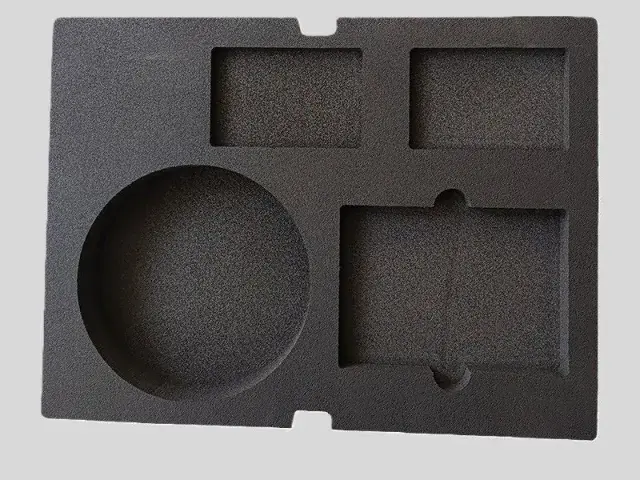
Made to order: density, thickness, colour and shape to your drawing. Die-cutting, CNC routing, lamination to film or fabric, slitting and adhesive coating all run in-house, so the part we quote is a finished part, not just a sheet. How a custom part is cut and routed explains what to send with the drawing.
Regular material: MOQ 1,000 m², lead time 15–20 days from order confirmation. Custom parts are quoted from the drawing. A4 samples are free, shipping included.
Impact noise travels through the structure, not the air. A footstep on an upper floor sends vibration into the slab, and the slab radiates it as sound in the room below. Floor damping foam is laid as a resilient break between the slab and the floor build-up, so that vibration energy is absorbed in the foam instead of being passed down the structure.
Features
- Breaks the structural path – isolates airborne sound such as conversation from structure-borne sound such as footsteps.
- Impact absorption – takes the load of a footfall or a dropped object and spreads it, protecting the build-up below.
- Elastic recovery – returns to thickness after compression, so the damping layer keeps working rather than flattening into a hard layer.
- Lightweight – far lighter than a mineral damping layer, so it adds little dead load and is quick to lay.
- Flame retardant – UL94 HF-1 and GB8624-B1 grades available.
- Moisture resistant – closed-cell foam keeps its properties in damp construction conditions.
Applications
- Residential – multi-storey apartments and villas, where the floor above must not be heard below.
- Offices – open-plan floors and meeting rooms that need a low background noise level.
- Entertainment venues – cinemas and KTV rooms, keeping sound inside the room it belongs to.
- Education – classrooms and libraries where sustained quiet is the point of the space.
- Healthcare – wards and treatment rooms, where noise control affects recovery.
Specifications for floor damping foam
A floor damping layer sits under a floating floor or a laminate and has to take footfall without compressing permanently.
| Foam | Expansion | Apparent density | Single-layer thickness | Why this grade |
|---|---|---|---|---|
| XPE | 5–10× | 100–200 kg/m³ | 3–15 mm | Firm, high-density sheet that resists compression set (no more than 10% at 23 °C over 22 h) so the floor stays level under standing loads. |
| IXPE | 20–30× | 33.3–50 kg/m³ | 0.1–15 mm | Lighter and softer, used where the damping layer also has to stay thin under a low-profile laminate or an underfloor heating mat. |
Base material specifications are on the XPE, IXPE and IXPP material pages; finished products are on the XPE foam and IXPE foam pages. Tell us the load, the space available and the service temperature and we will confirm the grade against your drawing.
Why Choose Bofeng Foam
- XPE foam, 30× (33 kg/m³).
- 3 / 5 / 10 mm thickness as standard, other gauges on request.
- Widths of 1 m to 1.5 m.
- Black, gray and black-white-black as standard, other colours on request.
- UL94 HF-1 and GB8624-B1 flame-retardant grades.
- Samples and specification sheets available before production.
The three jobs an underlayment foam does, and why thickness buys feel and tolerance rather than sound insulation, are set out in our underlayment guide.
Conclusion & Inquiry
Flooring foam covers the acoustic underlayment and construction insulation range, and floor acoustic foam handles the thin underlayment side of the same problem. Contact us with your build-up and target performance and we will quote a supply.