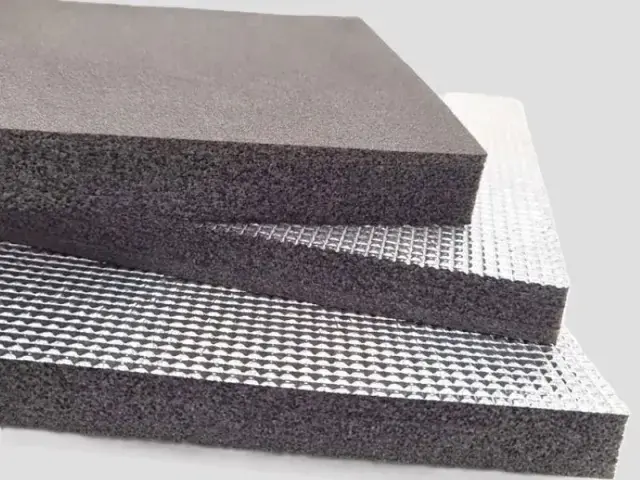
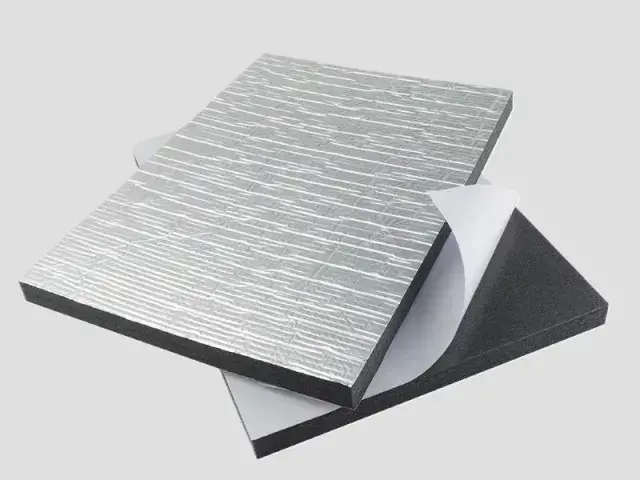
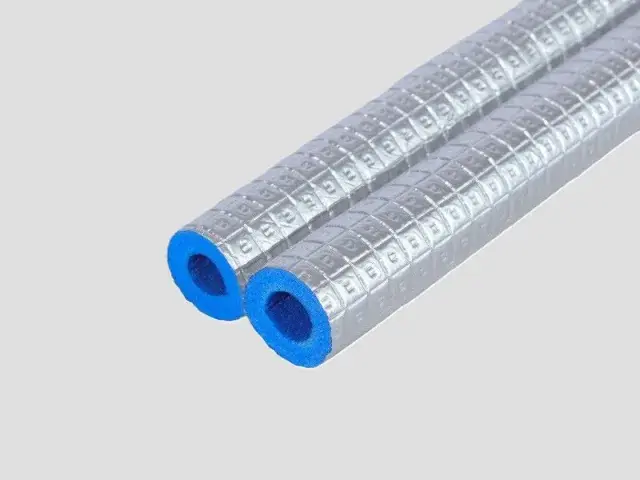
- Material: XPE foam, IXPE foam
- Expansion ratio: 5 times (200 kg/m³), 8 times (125 kg/m³), 10 times (100 kg/m³)
- Thickness: 2 mm, 3 mm, 5 mm (thickness can be customized)
- Colour: white, black, gray (colour can be customized)
- Flame retardant grade: UL94 HF-1
Customization
Made to order: density, thickness, colour and shape to your drawing. Die-cutting, CNC routing, lamination to film or fabric, slitting and adhesive coating all run in-house, so the part we quote is a finished part, not just a sheet. How a custom part is cut and routed explains what to send with the drawing.
Regular material: MOQ 1,000 m², lead time 15–20 days from order confirmation. Custom parts are quoted from the drawing. A4 samples are free, shipping included.
A bag is judged by how it holds its shape and how well it protects what is inside. Luggage liner foam gives a case its structure, pads the walls and separates the contents, in a layer thin enough not to steal usable capacity. Bofeng supplies XPE and IXPE foam in 2–5 mm, cut or thermoformed to your pattern.
Features
- Structure and shape – a foam layer that gives soft luggage its form and helps it keep that form in use.
- Padding for contents – absorbs the knocks a bag takes in the hold, on a conveyor or in a courier van.
- Thin gauge – 2–5 mm, so lining does not eat into usable capacity.
- Thermoformable – heat-pressed into shaped panels for moulded cases and dividers.
- Moisture resistant – closed-cell foam absorbs very little water and does not hold it against the contents.
- Flame-retardant option – UL94 HF-1 available where the specification calls for it.
Applications
- Soft and semi-rigid luggage – wall lining and structural panels.
- Backpacks and rucksacks – back panels and laptop compartments.
- Camera and equipment bags – dividers and padding for fragile kit.
- Tool bags and cases – impact protection for heavy contents.
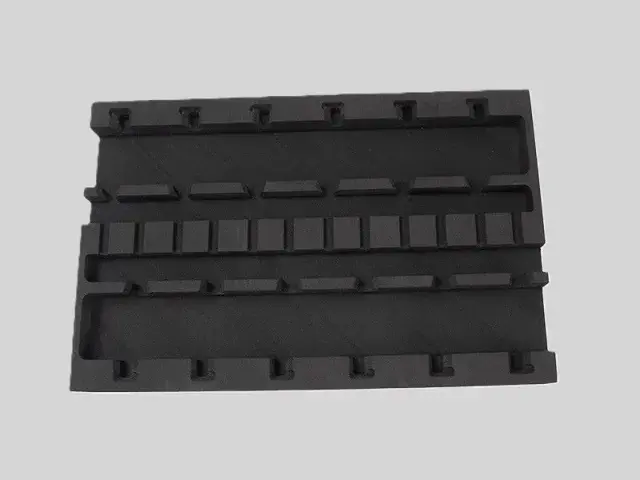
- Cosmetic and vanity cases – shaped inserts that hold containers in place.
Specifications for luggage liner foam
A luggage liner has to hold a shape inside a case, cushion the contents and take being packed and unpacked.
| Foam | Expansion | Apparent density | Single-layer thickness | Why this grade |
|---|---|---|---|---|
| XPE | 10–20× | 50–100 kg/m³ | 3–15 mm | Firm enough to hold a die-cut cavity, and it does not take up water if the case gets wet. |
| IXPE | 20–30× | 33.3–50 kg/m³ | 0.1–15 mm | Softer lining where the foam is against a fabric rather than against the contents. |
Base material specifications are on the XPE, IXPE and IXPP material pages; finished products are on the XPE foam and IXPE foam pages. Tell us the load, the space available and the service temperature and we will confirm the grade against your drawing.
Why Choose Bofeng Foam
- 2 / 3 / 5 mm as standard, other gauges on request.
- Flame-retardant grade available – UL94 HF-1.
- White, black and gray as standard, other colours on request.
- Cut or thermoformed to your pattern.
- Samples and specification sheets available before production.
In-house conversion. A liner is a cut or formed part: we die-cut the cavity layout, laminate a fabric facing where the foam meets the lining, and supply the panels flat or thermoformed to your pattern. Regular sheet starts at 1,000 m²; a cut or formed set is quoted from the drawing.
What the cell structure decides — sealing, water uptake and recovery after compression — is compared in our closed cell versus open cell guide.
Conclusion & Inquiry
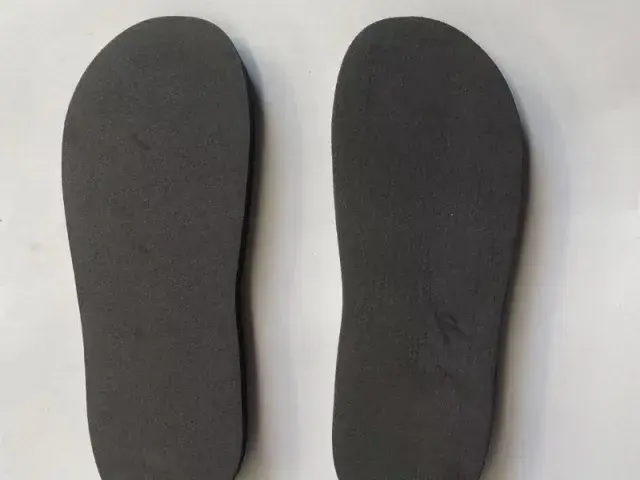
Automotive foam gathers the related interior, sealing and NVH applications in this range, and athletic insole foam uses the same sheet material for footwear. Contact us with your pattern and panel sizes and we will quote a cut or formed supply.