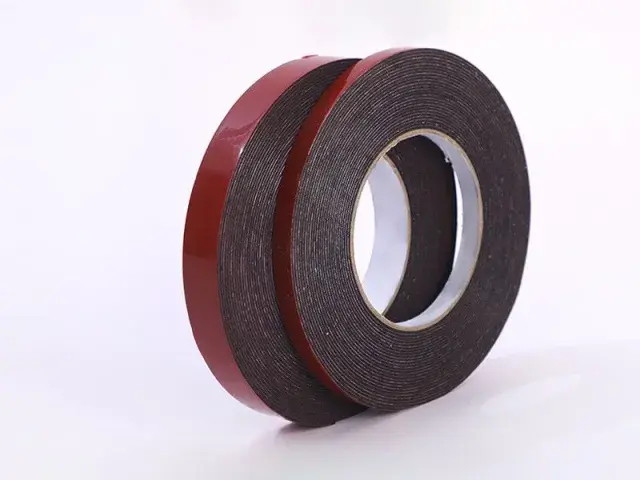
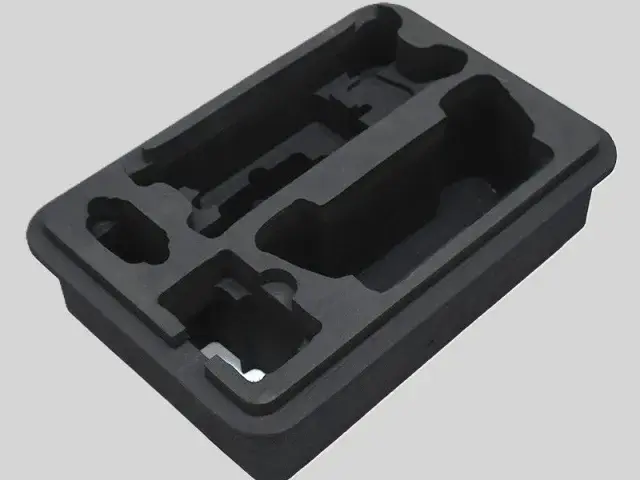
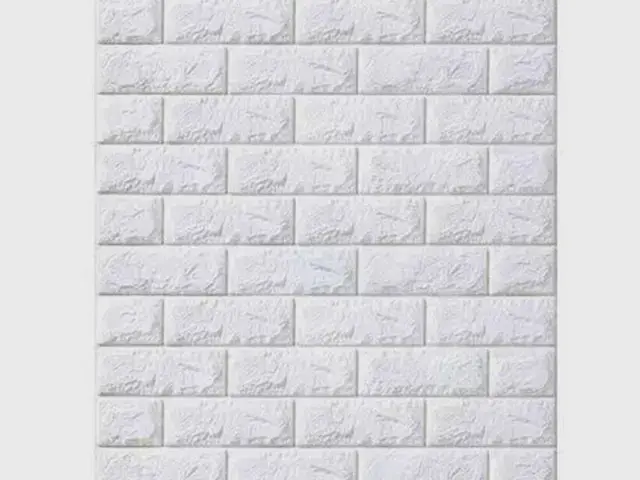
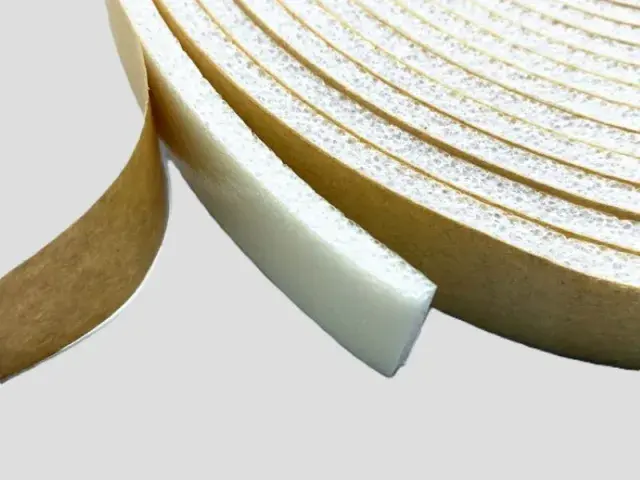
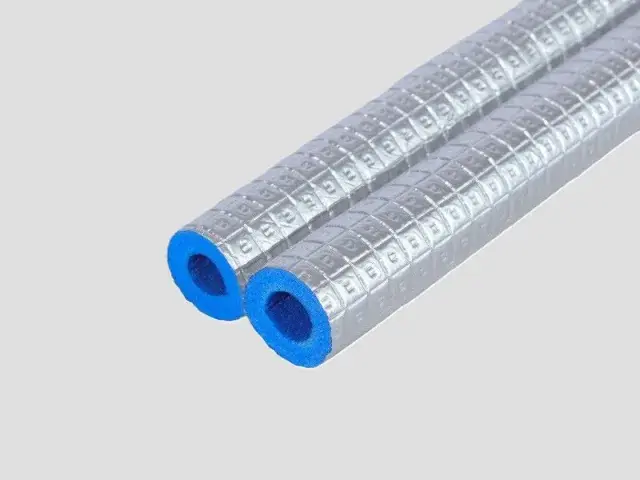
- Material: XPE foam
- Expansion ratio: 30 times (33 kg/m³)
- Thickness: 3 mm, 5 mm, 10 mm (thickness can be customized)
- Width: 1–1.5 m (width can be customized)
- Colour: black, gray, black-white-black (colour can be customized)
- Flame retardant grade: UL94 HF-1, GB8624-B1
Customization
Made to order: density, thickness, colour and shape to your drawing. Die-cutting, CNC routing, lamination to film or fabric, slitting and adhesive coating all run in-house, so the part we quote is a finished part, not just a sheet. How a custom part is cut and routed explains what to send with the drawing.
Regular material: MOQ 1,000 m², lead time 15–20 days from order confirmation. Custom parts are quoted from the drawing. A4 samples are free, shipping included.
Acoustic foam is an application label covering materials with different functions. This page concerns specified XPE or IXPE components; a closed-cell material should not automatically be treated as a porous absorber. Identify the intended acoustic function and applicable construction evidence before selecting it.
Features
- No frequency-dependent absorption result is declared here; request evidence for the actual material and construction.
- Easy to cut and fix – soft and light, so it trims to shape with a knife and fixes directly to wall or ceiling.
- Colour options – available in several colours, so the acoustic treatment does not have to be visible as such.
- Any emissions requirement must be checked against a report for the specified material and construction; no blanket VOC claim is made.
- Service durability, moisture behaviour and cleaning must be evaluated for the selected construction; no universal mould-resistance or lifetime claim is made.
- Thermal conductivity is a separate material test and is not evidence of acoustic absorption.
Applications
- Home interiors – bedrooms and living rooms, and as a decorative wall panel behind a media setup.
- Offices and meeting rooms – reducing the carry of conversation between workstations and keeping discussions inside the room.
- Recording and broadcast studios – controlling reflections so that what is recorded is the source and not the room.
- Industrial plant rooms – lining machine enclosures and barriers where sustained high noise levels would otherwise affect hearing.
- Public buildings – classrooms, libraries and hospital wards where a low background level is the requirement.
Specifications for acoustic foam
Acoustic foam is an application label covering materials with different functions. This page concerns specified XPE or IXPE components; a closed-cell material should not automatically be treated as a porous absorber. Identify the intended acoustic function and applicable construction evidence before selecting it.
| Foam | Expansion | Apparent density | Single-layer thickness | Why this grade |
|---|---|---|---|---|
| XPE | 15–25× | 40–66.7 kg/m³ | 3–15 mm | The general acoustic grade, closed-cell and dimensionally stable so a panel stays flat between fixings, with conductivity of 0.049–0.065 W/m·K where the same panel is also insulating. |
| IXPE | 30–40× | 26.8–33.3 kg/m³ | 0.1–15 mm | The lightest sheet in the range, for an acoustic layer that has to add as little weight as possible. |
| XPE | 10–20× | 50–100 kg/m³ | 3–15 mm | Firm decoupling layer under a floating floor, where the acoustic layer also carries a screed or a heavy finish. |
Base material specifications are on the XPE, IXPE and IXPP material pages; finished products are on the XPE foam and IXPE foam pages. Tell us the load, the space available and the service temperature and we will confirm the grade against your drawing.
Why Choose Bofeng Foam
- XPE foam, 30× (33 kg/m³).
- 3 / 5 / 10 mm thickness as standard, other gauges on request.
- Widths of 1 m to 1.5 m.
- Black, gray and black-white-black as standard, other colours on request.
- UL94 HF-1 and GB8624-B1 flame-retardant grades.
- Samples and specification sheets available before production.
In-house conversion. Panels are cut to the room layout: we die-cut or slit to panel size, apply adhesive backing for direct fixing, and laminate a facing where the panel is exposed. Regular sheet starts at 1,000 m²; cut panels are quoted from the drawing.
What thickness does and does not buy in an acoustic layer is discussed in our underlayment guide.
Acoustic Foam Parts: Identify Absorption, Sealing and Isolation Separately
Name the Required Acoustic Function
Reducing reverberation in a room is different from reducing sound transmission through a partition or vibration at a contact. A closed-cell sheet is not automatically a tested porous absorber. Describe the actual problem and required evidence before choosing a foam family by the acoustic label.
Show the Complete Construction
Include the face, backing, cavity, supporting panels, seams and fixings. An air gap or decorative profile alone does not establish a quantified acoustic result. Substituting materials in a tested construction requires review of whether its evidence remains applicable. Do not infer a cavity-fill ratio or sound rating from density.
Evaluate the Intended Interface
If the foam serves as a gasket or separation pad, specify installed compression, geometry and the contacts it must maintain. Test the real interface and watch for rigid bypasses or gaps. Material hardness and laboratory recovery are not sound-transmission or vibration-isolation ratings.
Request Applicable Results
Ask for the method, tested assembly and conditions behind any claimed acoustic value. Keep material and installation changes identifiable. We supply a component and its available material data, not an untested room, wall or enclosure rating. Send the section and target requirement for a meaningful enquiry.
For sample identity, dimensions and the acceptance record, use the first-article review checklist with the application-specific checks above.
Questions to Resolve Before an Acoustic Material Substitution
Identify what function the original material performs and which test supports it. Is the requirement for absorption, an interface seal or structural separation? Does the proposed sheet replace the whole material or only one contact strip? Are the facing, cavity and fixing unchanged? Ask the responsible system designer which evidence is required for the substitution. If there is no applicable result, record the acoustic requirement as unverified rather than translating a softer feel into an acoustic improvement. Material availability and an attractive profile are not substitutes for that decision.
State whether the foil faces an air space in the intended installation.
Conclusion & Inquiry
Flooring foam covers the acoustic underlayment and construction range, and floor acoustic foam applies the same material as a thin floor underlayment. Contact us with your room dimensions and target performance and we will quote a supply.