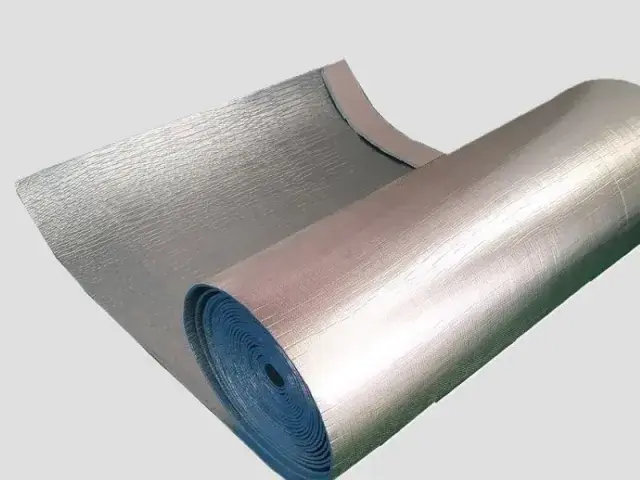
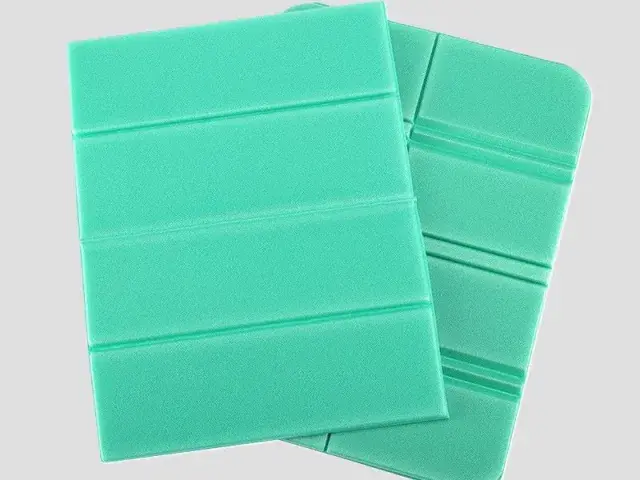
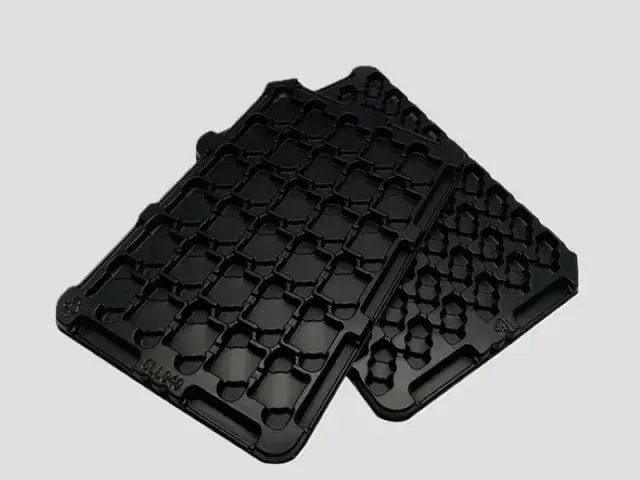
- Material: IXPE foam, IXPP foam
- Expansion ratio: 5 times (200±30 kg/m³), 8 times (125±15 kg/m³), 10 times (100±10 kg/m³)
- Thickness: 0.5 mm, 1 mm, 1.5 mm (thickness can be customized)
- Shore hardness: 55°–65° (5×), 45°–55° (8×), 35°–45° (10×), sheet up to 3 mm
- Common colours: white, black (colour can be customized)
Customization
Made to order: density, thickness, colour and shape to your drawing. Die-cutting, CNC routing, lamination to film or fabric, slitting and adhesive coating all run in-house, so the part we quote is a finished part, not just a sheet. How a custom part is cut and routed explains what to send with the drawing.
Regular material: MOQ 1,000 m², lead time 15–20 days from order confirmation. Custom parts are quoted from the drawing. A4 samples are free, shipping included.
A gasket only works if it compresses by the right amount. Too soft and it takes a permanent set and leaks; too hard and it never fills the gap it was meant to close. Bofeng supplies IXPE and IXPP foam in the 0.5–1.5 mm range and the 5×, 8× and 10× grades that most die-cut sealing applications are specified in.
Features
- Controlled compression – 55–65° at 5×, 45–55° at 8× and 35–45° at 10× (GB/T 2411, sheet up to 3 mm), so the grade can be matched to the closing force the joint sees.
- Thin gauges – 0.5–1.5 mm, for the tight gaps in enclosures and housings.
- Closed-cell structure – resists water, dust and vapour rather than wicking it through the joint.
- Temperature tolerance – IXPP holds its properties at higher service temperatures than IXPE, so the grade can be matched to the duty.
- Die-cuts cleanly – cuts to fine detail, including small holes and narrow webs.
- Density options – 5× (200±30 kg/m³), 8× (125±15 kg/m³) and 10× (100±10 kg/m³) grades.
Applications
- Electronics and appliances – gap filling and sealing around panels, doors and internal components.
- Automotive – door, bonnet and trim sealing, and protection for interior wiring.
- Building – draught sealing around window and door frames.
- White goods – refrigerator and air-conditioning sealing.
- Packaging and cushioning – thin protective layers for fragile goods.
Specifications for foam gasket
A gasket is a sealing part: it has to compress into the joint, stay compressed and then seal.
| Foam | Expansion | Apparent density | Single-layer thickness | Why this grade |
|---|---|---|---|---|
| IXPE | 5–10× | 100–200 kg/m³ | 0.1–15 mm | Soft, fine-cell sheet that conforms to a slightly uneven face at low closing force. |
| IXPP | 5–25× | — | 1–6 mm | Stiffer and more heat resistant than PE foam, for a gasket in a warmer joint or one that has to hold a shape. |
Base material specifications are on the XPE, IXPE and IXPP material pages; finished products are on the XPE foam and IXPE foam pages. Tell us the load, the space available and the service temperature and we will confirm the grade against your drawing.
Why Choose Bofeng Foam
- 0.5 / 1 / 1.5 mm as standard, other gauges on request.
- Shore hardness 55–65° at 5×, 45–55° at 8× and 35–45° at 10× (sheet up to 3 mm).
- IXPE and IXPP, so the grade can be matched to the service temperature.
- White and black as standard, other colours on request.
- Samples and specification sheets available before production.
Gaskets in Appliances and Cold-Chain Boxes
Thin IXPE gaskets are used behind refrigerator and freezer door seals, where the gasket has to compress evenly and stay flexible at low temperature. The same 0.5–1.5 mm material seals the lid and liner joints of an insulated cold-chain box. Both are covered in more detail on the home appliance foam and cold-chain packaging foam pages.
Two points matter in these parts: compression set at the installed gap, and low-temperature flexibility. A gasket that takes a set will leak after the first season; a gasket that stiffens in a freezer will not follow the door. Tell us the gap, the closing force and the lowest service temperature, and we will confirm the grade and the thickness.
Whether a foam seals depends on its cell structure rather than on its density, as explained in our closed cell versus open cell guide.
Conclusion & Inquiry
Automotive foam covers the wider sealing, insulation and NVH range, and industrial tape foam applies the same thin-gauge material as a tape carrier. Contact us with your gasket drawing and we will quote a die-cut supply.